Changing technology, political turmoil and competition from China are cutting into profits and forcing carmakers to cut jobs and close factories.
The government is aggressively promoting electric cars. But a dramatic blaze in an underground lot has left some potential buyers worried about safety.
The union, which lost an organizing vote at two factories last week, argued to federal officials that the automaker had violated labor laws.
The election, fiercely opposed by the state’s political leaders, was seen as a test of the United Automobile Workers’ ability to unionize factories in the South.
Southern political leaders say a win for the United Automobile Workers would threaten their economies. Activists want to strike a blow against a system they say exploits the poor.
The automaker said it would delay new battery-powered models and shift its focus to hybrid cars, sales of which are rising fast.
The latest proposal comes from Luca de Meo, the C.E.O. of Renault Group, who is pushing for an Airbus-inspired alliance that would help European automakers fend off competition from cheaper Chinese-made electric vehicles.
The three U.S. automakers say they are already at a disadvantage to nonunion rivals while labor leaders hope that big gains in negotiations will inspire workers in Southern states to unionize.
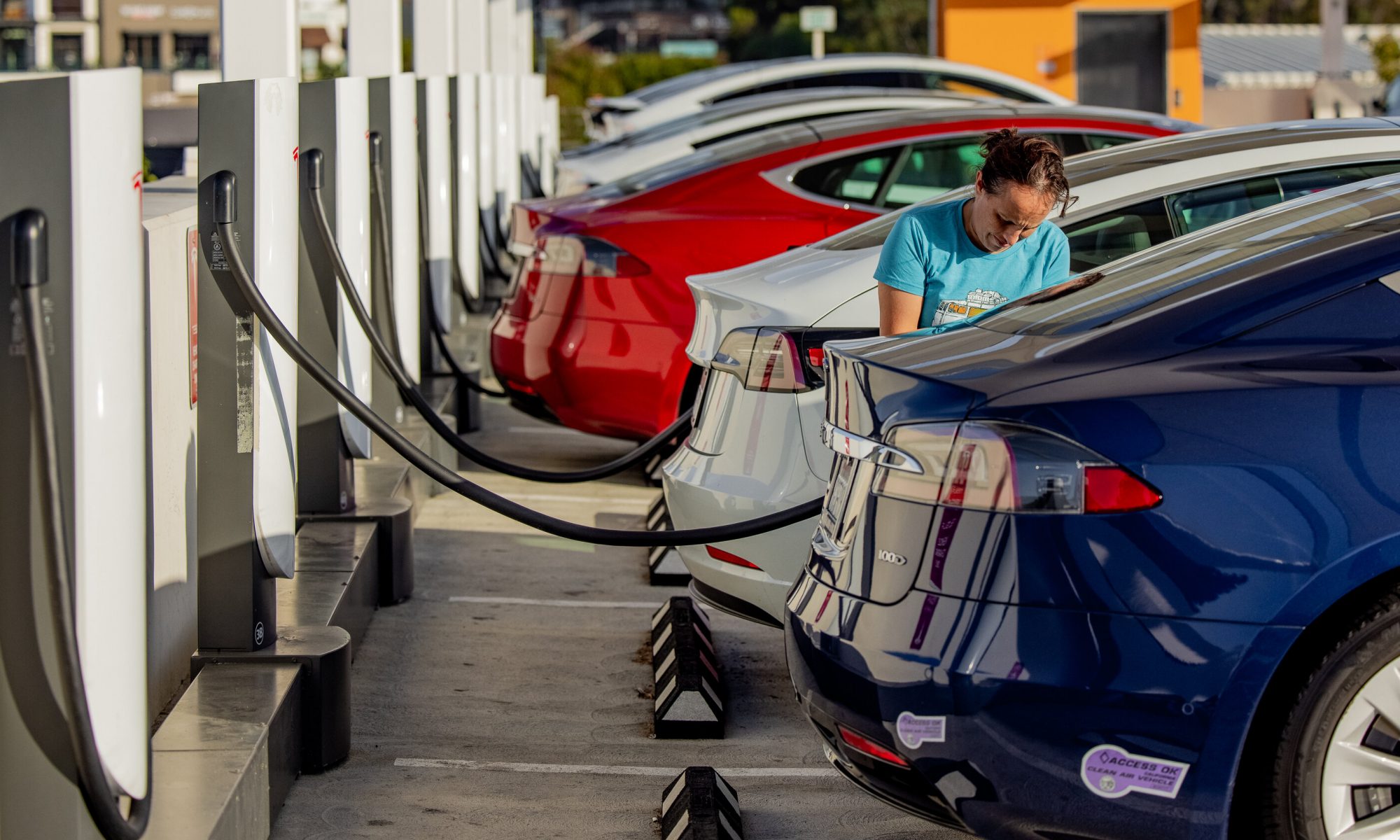
Many carmakers and charging companies are switching to the Tesla plug for electric vehicles. Why are they doing that and what will it mean?
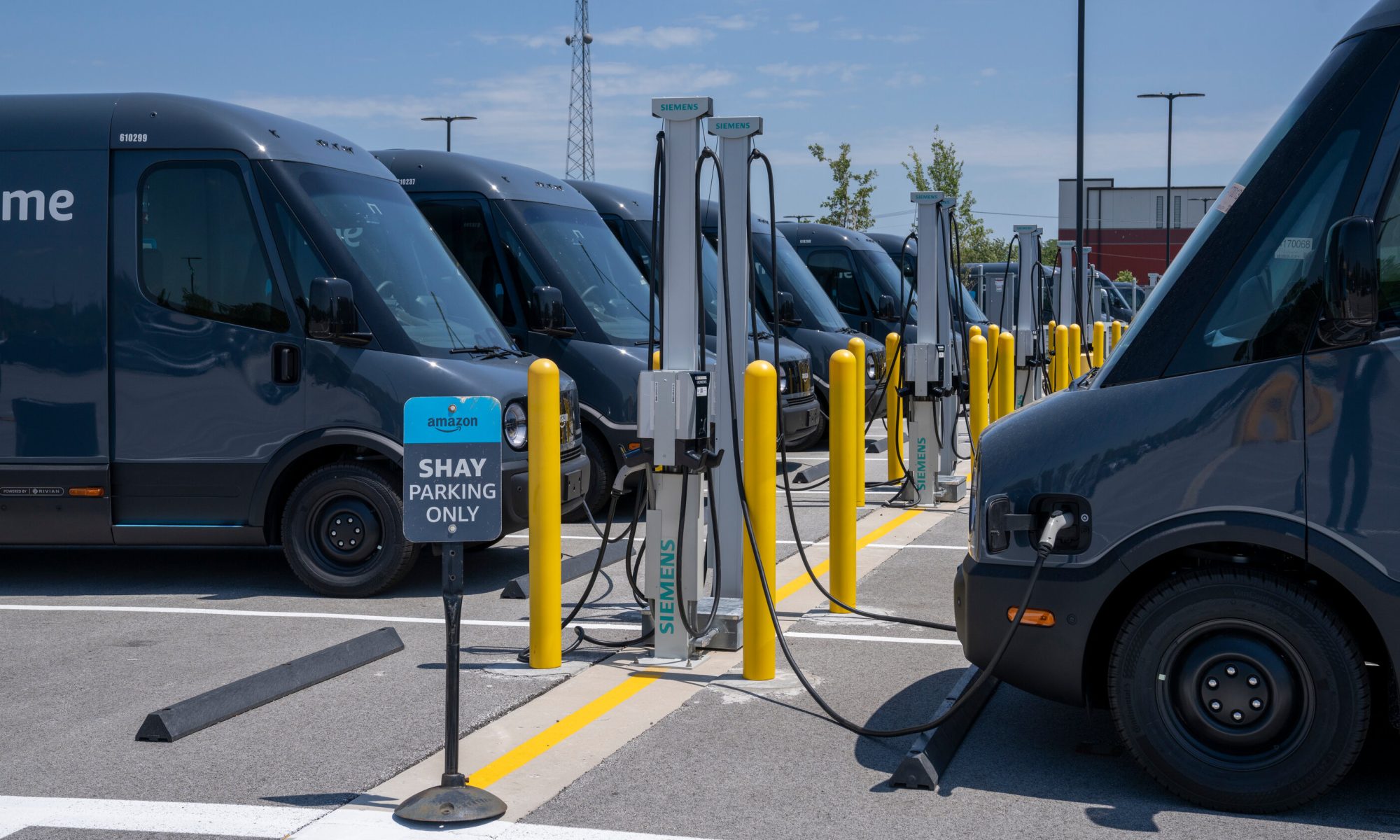
G.M. and other automakers will jointly spend at least $1 billion to build a North American network of electric vehicle chargers.
The companies will jointly spend at least $1 billion to build a North American network in an effort to persuade more people to buy battery-powered cars and trucks.
More technology and creature comforts, as well as a parade of new electric vehicles, have complicated the job after accidents.
The European Union is trying to assemble the building blocks to produce electric cars, but subsidies are luring companies to the United States.
As luxury cars become rolling supercomputers, designers are wondering how big is too big.
The network could help increase the low number of charging stations, encouraging more people to buy electric vehicles.
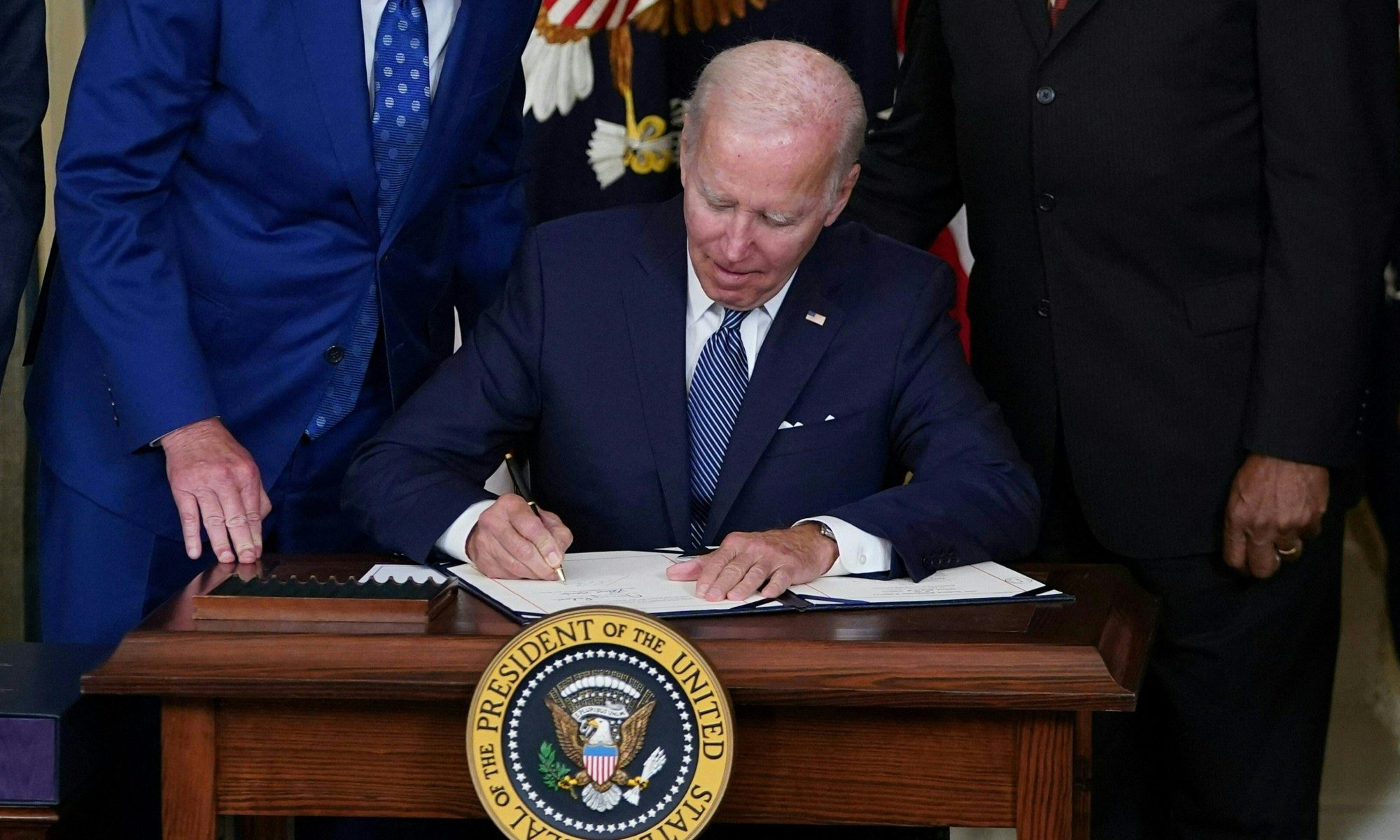
No Republican in Congress voted for the Inflation Reduction Act. But their districts and states will greatly benefit from the investments spurred by the law.
The agreement is a rare example of cooperation between a traditional carmaker and an upstart.
Fully electric vehicles have fewer fires than gasoline-powered and hybrid cars, and their crash protection is at least equivalent.
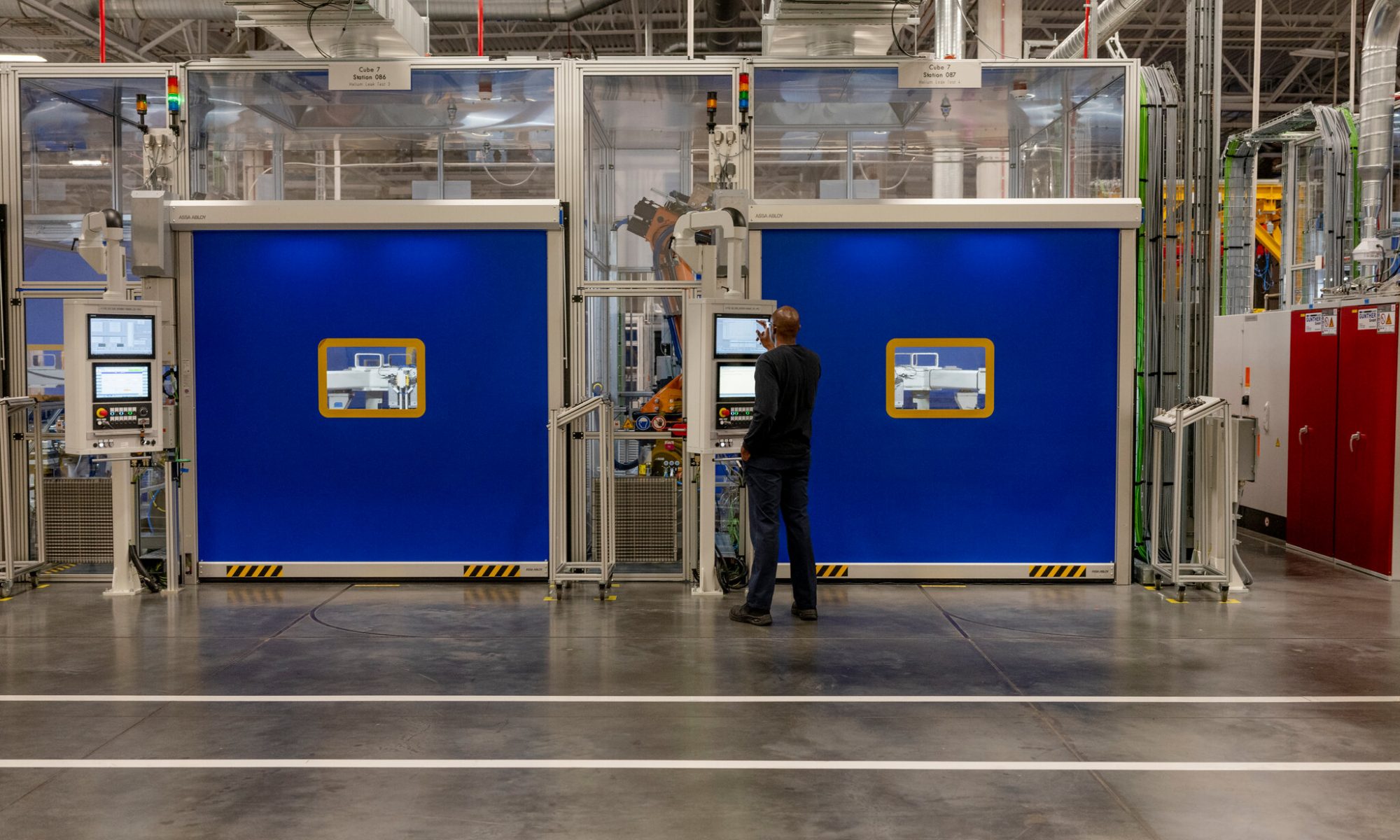
The German automaker, which has made cars in the state for decades, has invested $1 billion in a factory to supply the power for electric vehicles.
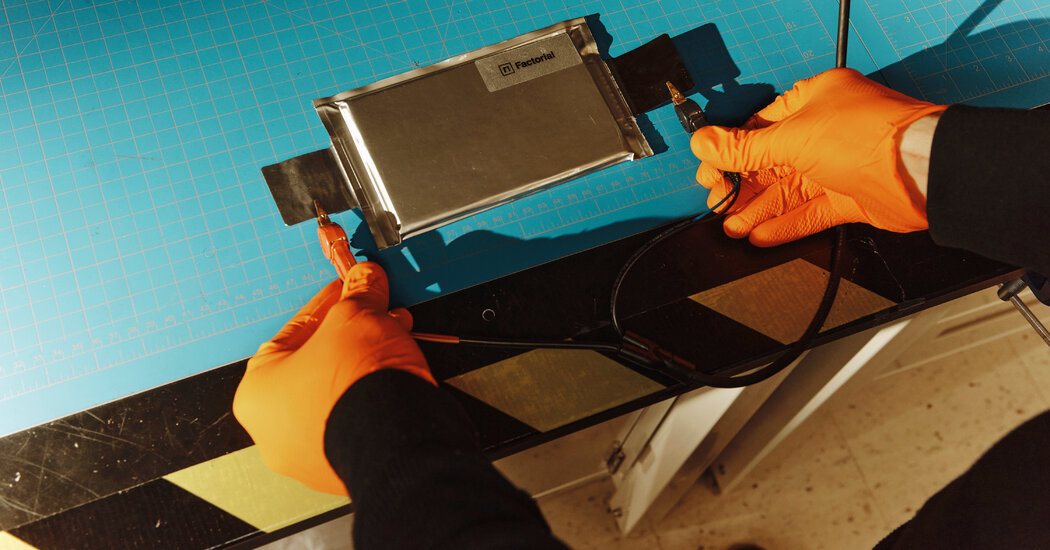
The prize: batteries that would be cheaper, faster to charge and less vulnerable to raw material shortages. Whoever gets there first will have a major advantage.