Delays in producing the pickup have allowed rivals like Ford to beat Tesla to market with electric pickups.
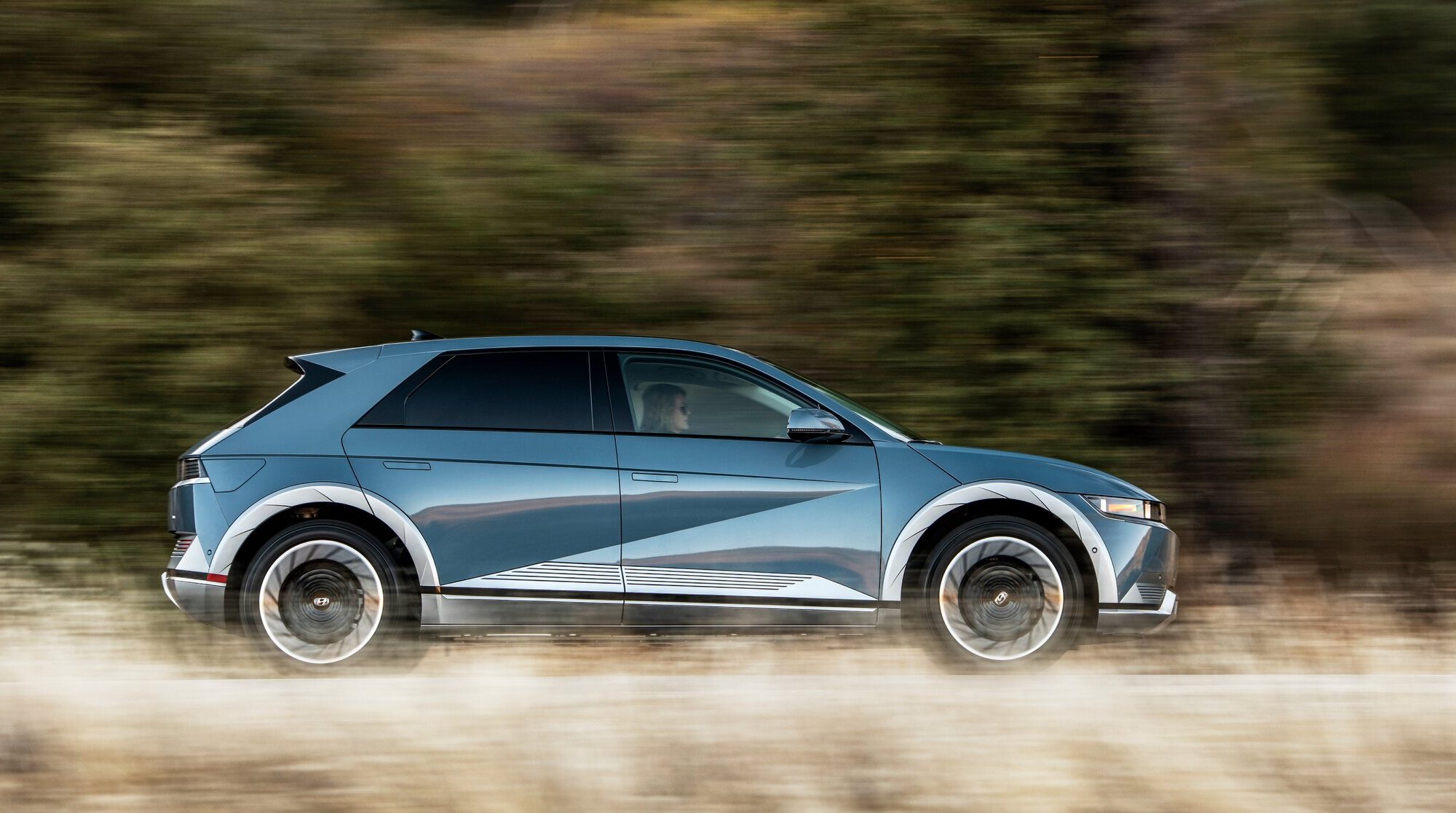
For now, supply may be constrained, but Hyundai is putting a big bet on building electrics for the American market.
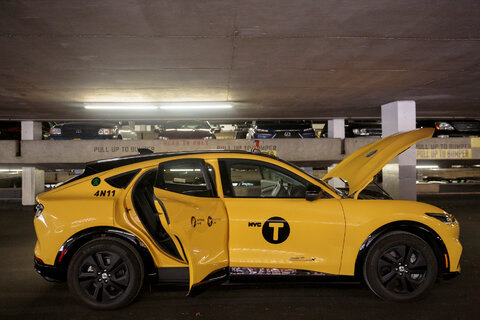
Here's what it's like to ride in one of the small group of electric taxis that began operating in the city this week.
The company is plugging $30 million into a start-up co-founded by one of Silicon Valley’s favorite scientists.
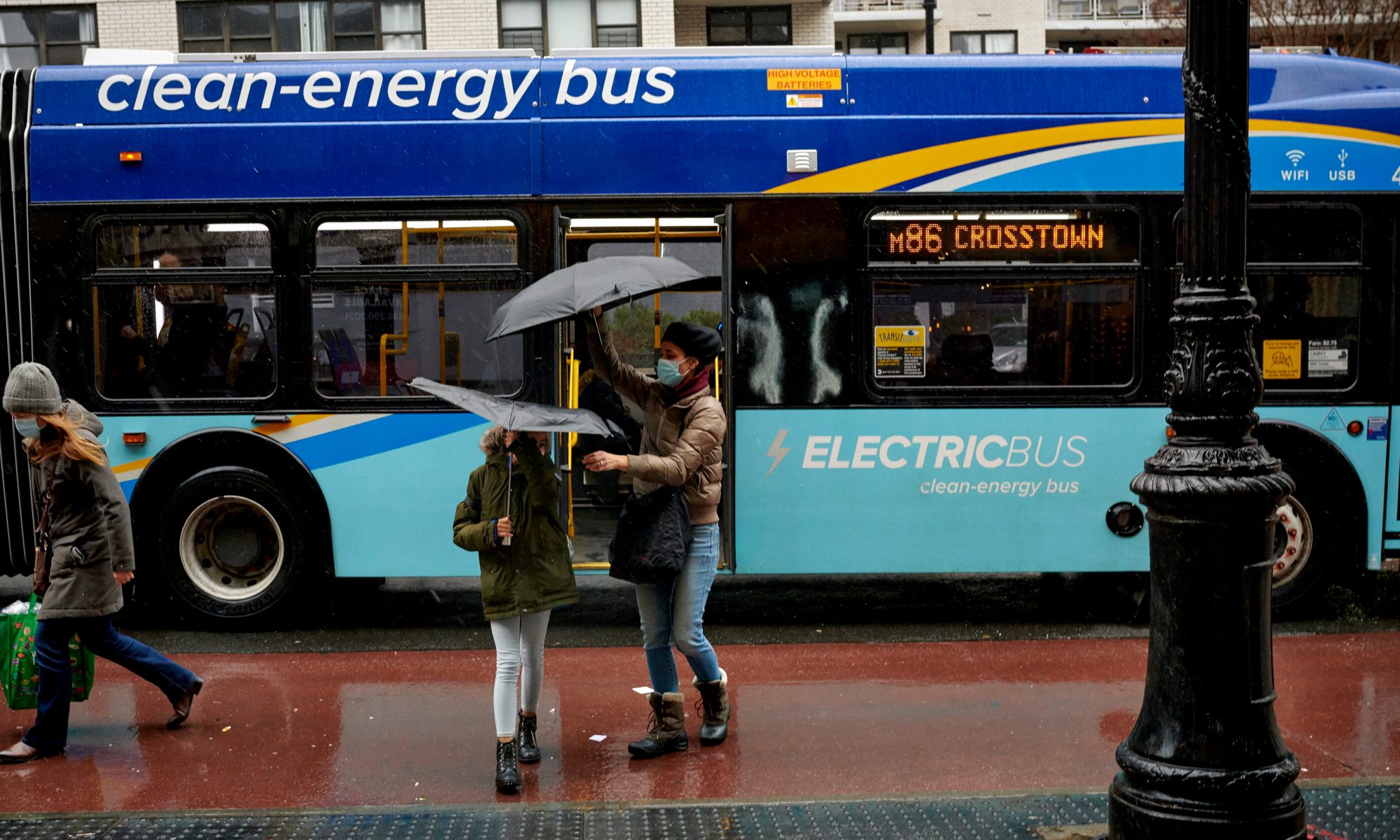
The city has begun converting its fleet and deploying curbside chargers in an effort to meet electrification goals.
A major new scientific report offers a road map for how countries can limit global warming, but warns that the margin for error is vanishingly small.
The electric carmaker maintained its momentum from last year even as larger automakers continue to struggle with parts shortages.
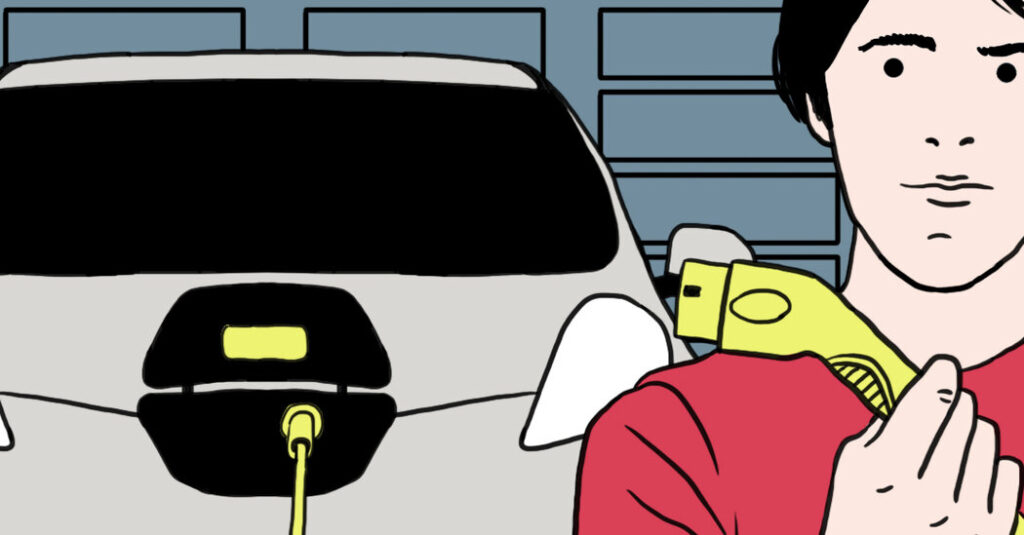
Changes to state law will eventually compel co-op boards to help residents charge their cars. But for now, they need to be convinced.
After bottoming out early in the pandemic, profits and spirits are soaring — and people were ready to party.
The company struggled to produce vehicles in the first three months of the year, a sign that shortages could last longer than executives had hoped.
Despite strong job growth, all the positions lost during pandemic may not be regained.
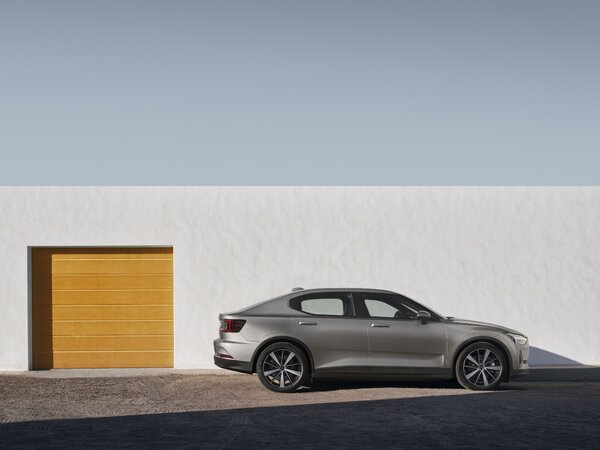
The new company, which is aiming to go public this year, has performance E.V.s planned, with Volvo’s safety in its DNA.
The automaker, which was created by the merger of Fiat Chrysler and Peugeot, has lagged in the fast-growing market for electric cars.
As gas prices surge, here are some tips for shopping for electric vehicles.
As gas prices surge, here are some tips for shopping for electric vehicles.
The $7 billion plant will eventually produce half a million S.U.V.s a year, the company said.
The $7 billion plant will eventually produce half a million S.U.V.s a year, the company said.
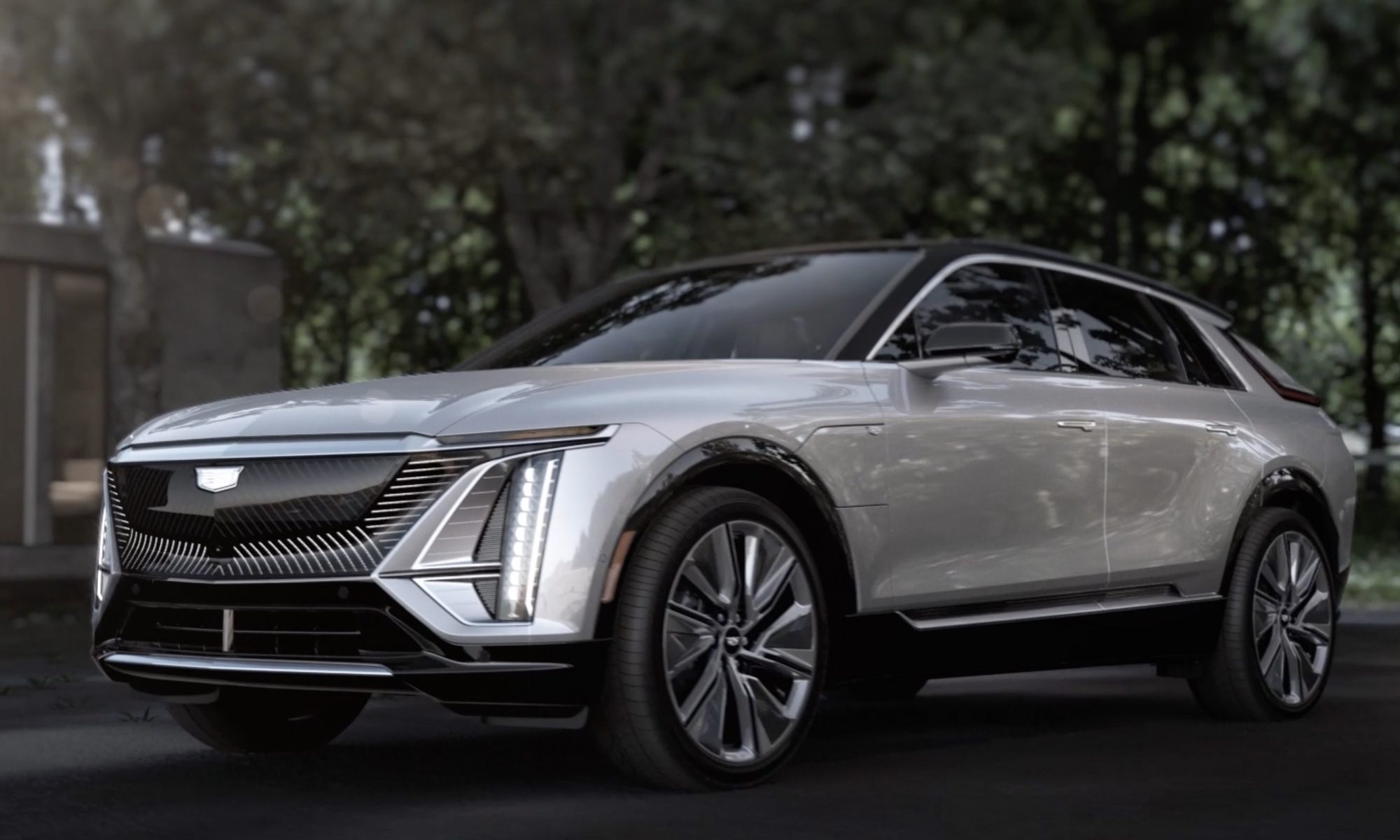
The sport utility vehicle, made in Tennessee, is one of more than 20 E.V. models that General Motors plans to roll out in the U.S. within three years.
The sport utility vehicle, made in Tennessee, is one of more than 20 E.V. models that General Motors plans to roll out in the U.S. within three years.
The price of nickel, an essential ingredient in most batteries, has soared because of fear that Russian supplies could be cut off.