Investors blame Elon Musk and wonder how much more the stock will fall.
Foreign-made cars no longer qualify. Tesla and G.M. should become eligible again. But officials are still working on the fine print.
“Cool” doesn’t necessarily deliver sustained advantage.
As Elon Musk’s politics turn off potential customers, many rival vehicles are coming to market.
The maker of electric cars faces sharp competition, plummeting shares and production woes while its chief executive is preoccupied with Twitter.
Sales contracts prevent buyers of the company’s electric cars from pursuing class-action suits if something goes wrong.
Corporate governance experts say the electric-car maker’s directors may need to rein in the chief executive, with whom many have personal ties.
Firing people. Talking of bankruptcy. Telling workers to be “hard core.” Mr. Musk has repeatedly used those tactics at many of his companies.
The billionaire chief executive testified about a multibillion-dollar compensation package the electric car company’s board put in place in 2018.
A shareholder is asking the court to void a 2018 compensation package that has paid the chief executive nearly $50 billion.
While sales are still skewed toward affluent buyers, more people are choosing electric vehicles to save money.
Shares of the company slumped as investors worried about increasing competition.
The electric carmaker is growing fast but investors are worried that sales are starting to slow because of higher prices and interest rates.
The automaker’s performance indicates that the global semiconductor shortage is beginning to ease.
The increase from the same period last year comes as competition grows among automakers producing electric vehicles in the United States.
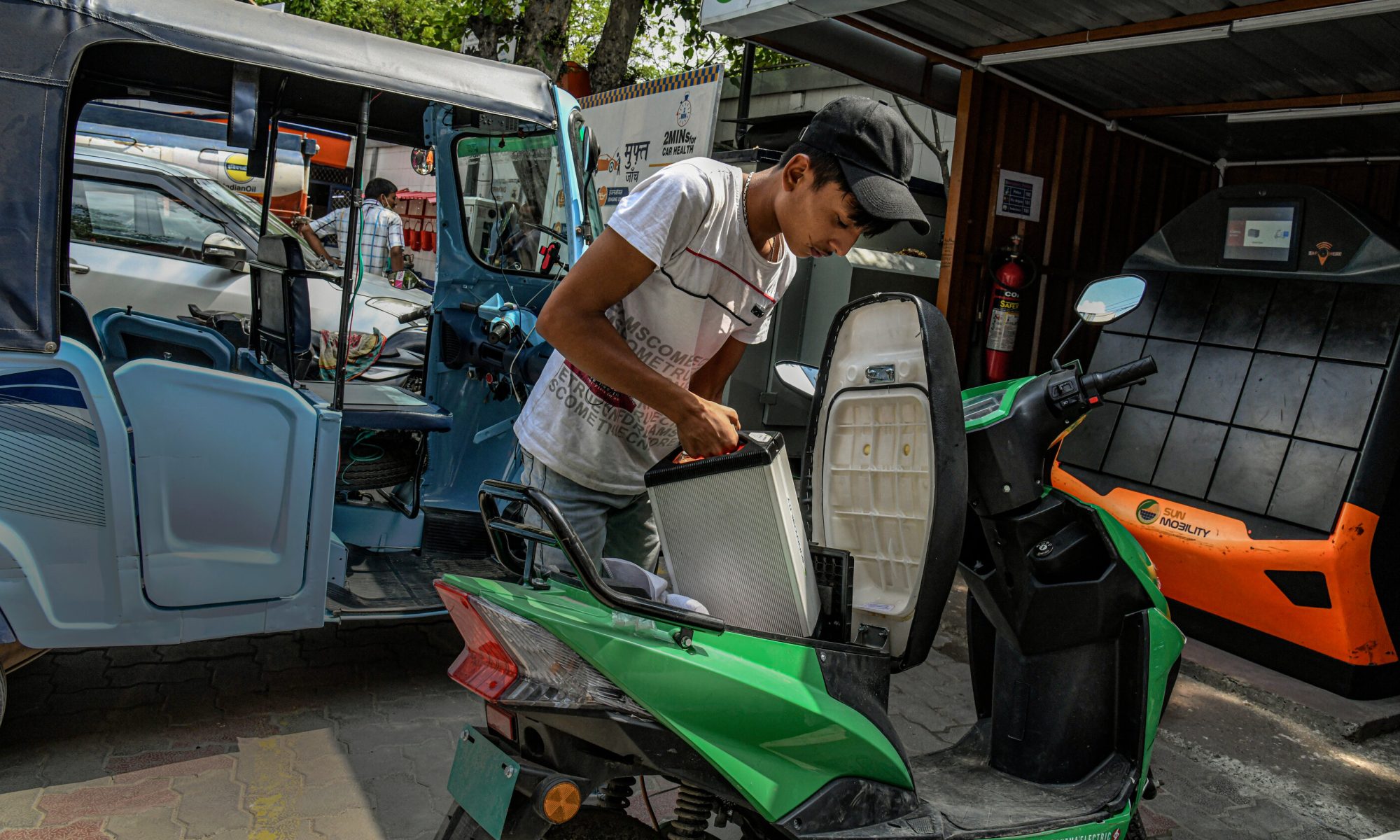
The country’s success with two- and three-wheeled vehicles that sell for as little as $1,000 could be a template for other developing countries.
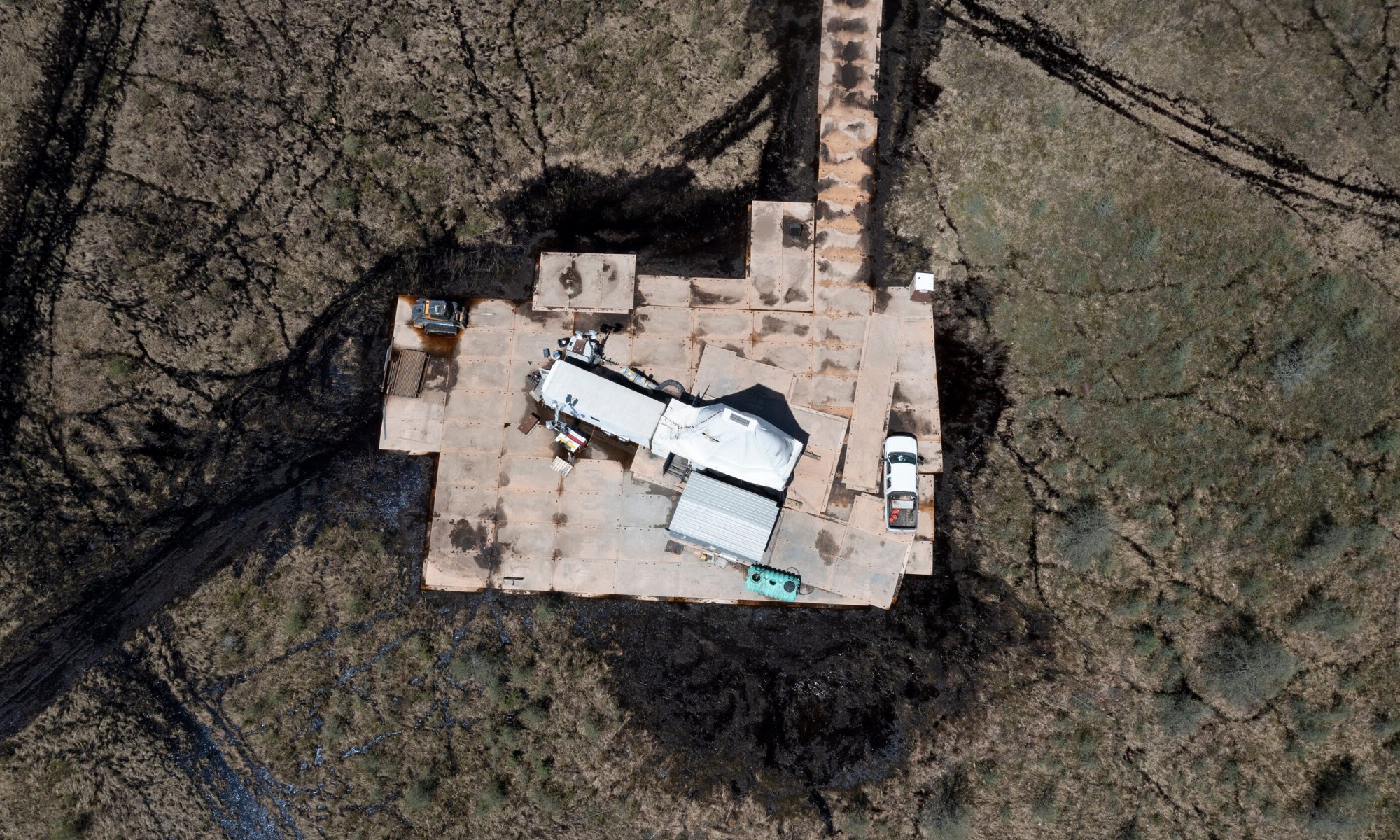
Hiding a thousand feet below the earth’s surface in this patch of northern Minnesota wetlands are ancient mineral deposits that some view as critical to fueling America’s clean energy future.
There's a dirty side to creating clean cars.
The bill President Biden signed into law recently will greatly expand government loans and loan guarantees for clean energy and automotive projects and businesses.
The new climate, tax and health law signed by President Biden extends a credit for electric vehicle buyers. But there are new strings attached that kick in at different times.