Liberals should reconcile with America’s oil and gas industry.
But the benefits of the deduction, estimated to cost $31 billion over four years, may be limited to a narrow slice of consumers, economists say.
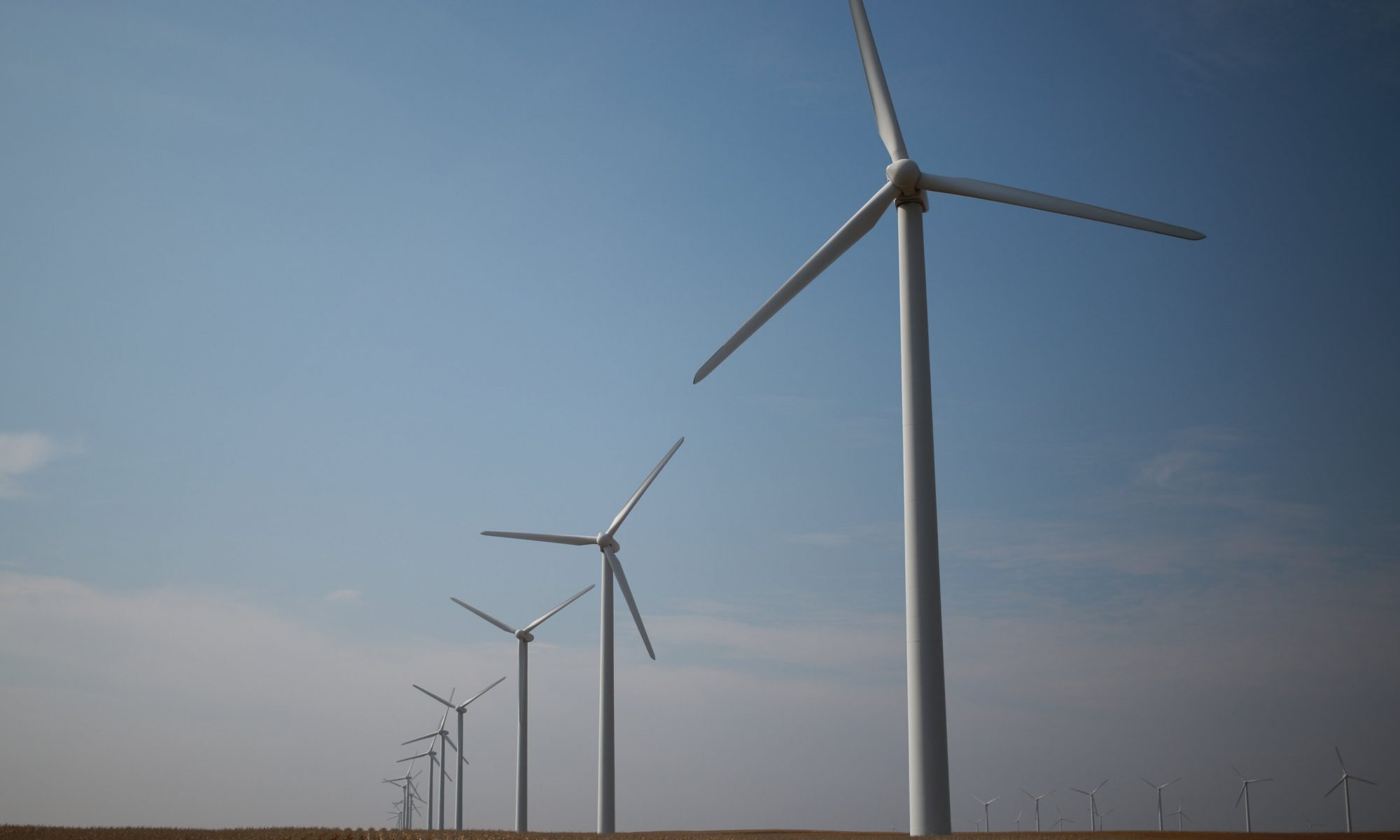
Wind and solar companies were already bracing for Congress to end federal subsidies. But the Senate bill goes even further and penalizes those industries.
For 50 years, automakers have had to increase the fuel efficiency of their vehicles or pay fines. The Republican megabill would set those penalties to $0.
A Senate tax package softens some blows imposed on renewables by a House version of the bill. But it still terminates many credits for clean power.
Senate Republicans understand that energy abundance is essential for the economy, national security and the country’s well-being. Now they must act.
The measure, passed by the House, would roll back incentives for people to buy electric vehicles and for automakers to make them in the U.S.
In 50 years, California’s authority to set environmental rules that are tougher than national standards had never been challenged by Congress. Until now.
Republicans and some Democrats tried to repeal a waiver issued by the Biden administration that allows federally funded E.V. chargers to be made from imported iron and steel.
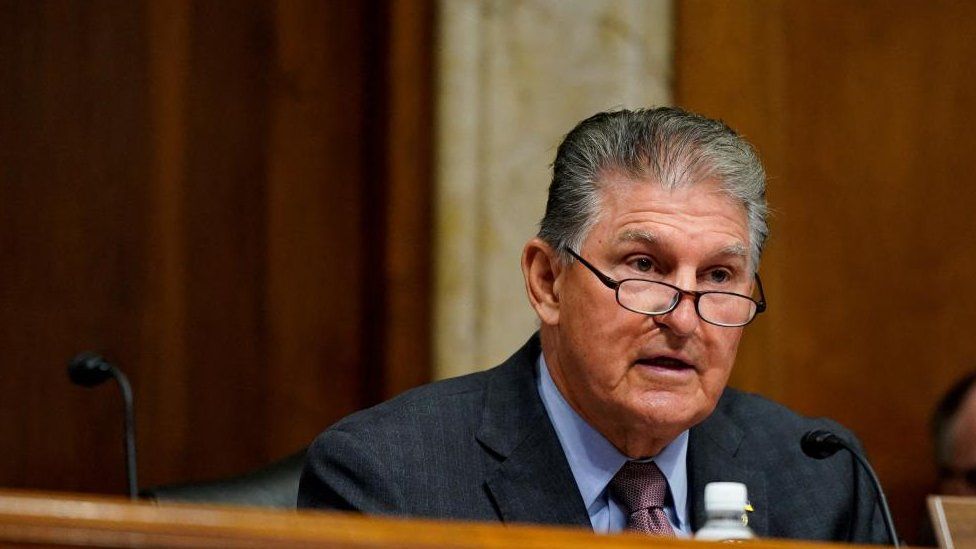
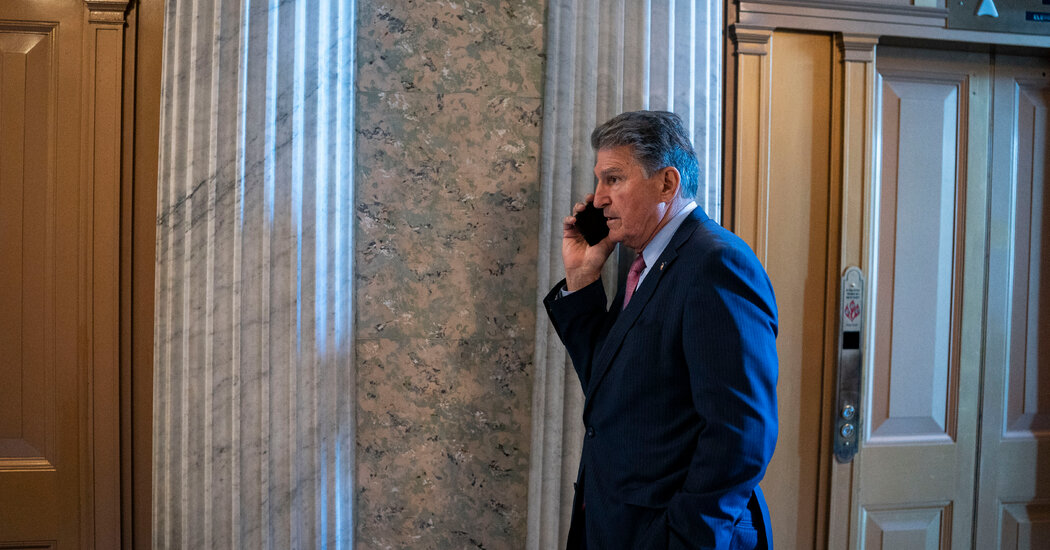
Senator Joe Manchin III, the conservative West Virginia Democrat who faces re-election next year and is flirting with a presidential run, has threatened to repeal the measure he helped write.
Along the way to the $369 billion package, the West Virginia senator secured an array of concessions for his state and for the fossil fuel industry.
The $369 billion climate and tax bill would affect every aspect of U.S. energy production, with incentives for producers and consumers to move away from fossil fuels.
The announcement Wednesday of an agreement in the Senate almost instantly reset the role of the United States in the global effort to fight climate change.
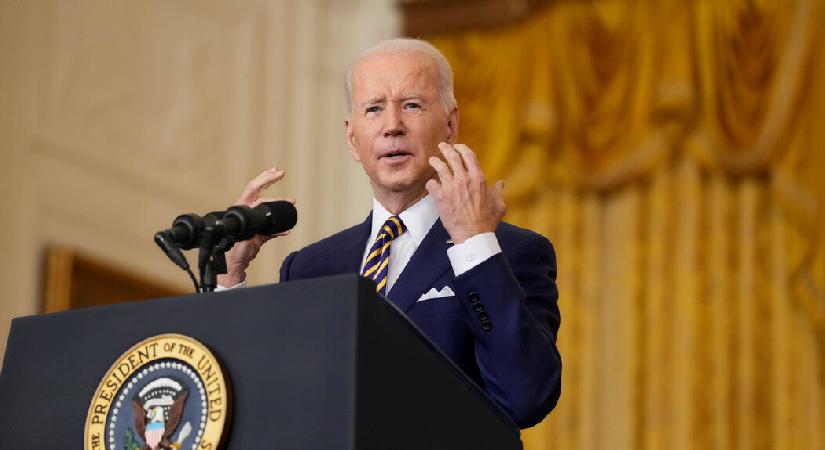
President Biden’s best course is to take the same regulatory path Barack Obama was forced to follow.
Senator Joe Manchin III of West Virginia led his party and his president through months of tortured talks, with nothing to show for it as the planet dangerously heats up.
The West Virginia senator, who holds the swing vote in negotiations for a budget plan, wants to cut incentives. The president and most Senate Democrats say buyer credits are crucial to fight climate change.
Some Democrats want to forge ahead with a stand-alone climate bill, but their solution could mean abandoning other parts of President Biden’s agenda.
The Build Back Better Act’s marquee provisions have been the focus, but Democrats have swept dozens of obscure measures and special interest breaks into the $1.85 trillion bill.
The Build Back Better Act’s marquee provisions have been the focus, but Democrats have swept dozens of obscure measures and special interest breaks into the $1.85 trillion bill.
A bipartisan package includes the largest-ever federal spending for electric vehicle charging stations, public transit and clean water.