About 80 percent of new cars sold in Norway are battery-powered. As a result, the air is cleaner, the streets are quieter and the grid hasn’t collapsed. But problems with unreliable chargers persist.
If it fails or misfires, then it will greatly limit the number of tools to fight climate change or a recession.
In places like West Virginia, money from three major laws passed by Congress is pouring into the alternative energy industry and other projects. “I think it’s a renaissance for the labor movement,” said one union official.
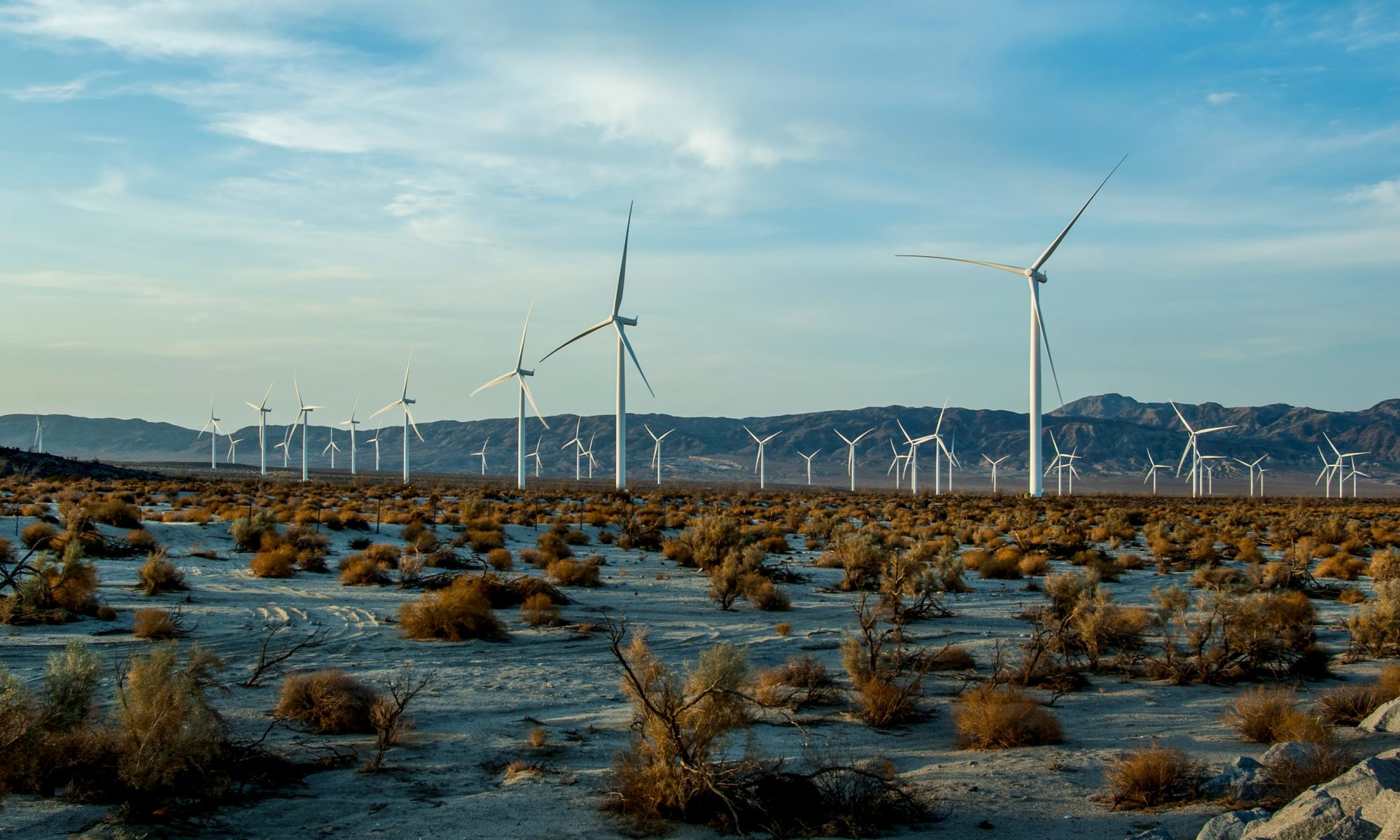
Cuando en una década hagamos una retrospectiva, quizá descubramos que 2022 fue un punto de inflexión para las energías limpias.
Switching off fossil fuels is going to be a bumpy ride — an energy disruption.
Hyundai’s huge new plant outside Savannah could be a model for bipartisanship and a central achievement for Raphael Warnock, whose biggest efforts otherwise fell short. But Republicans aren’t giving him credit.
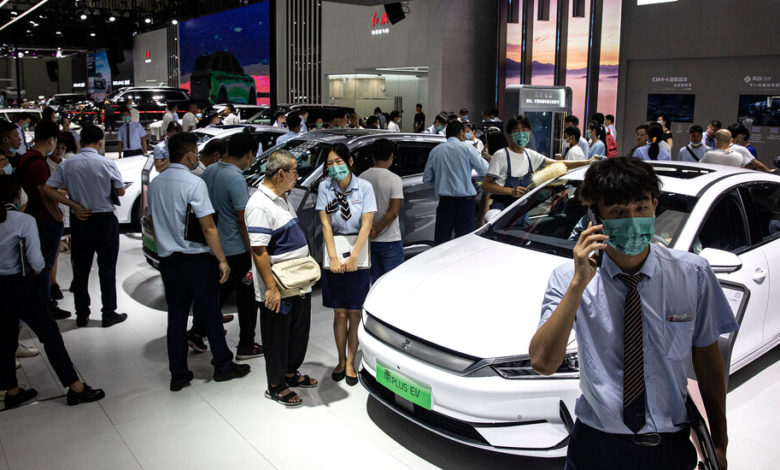
More electric cars will be sold in the country this year than in the rest of the world combined, as its domestic market accelerates ahead of the global competition.
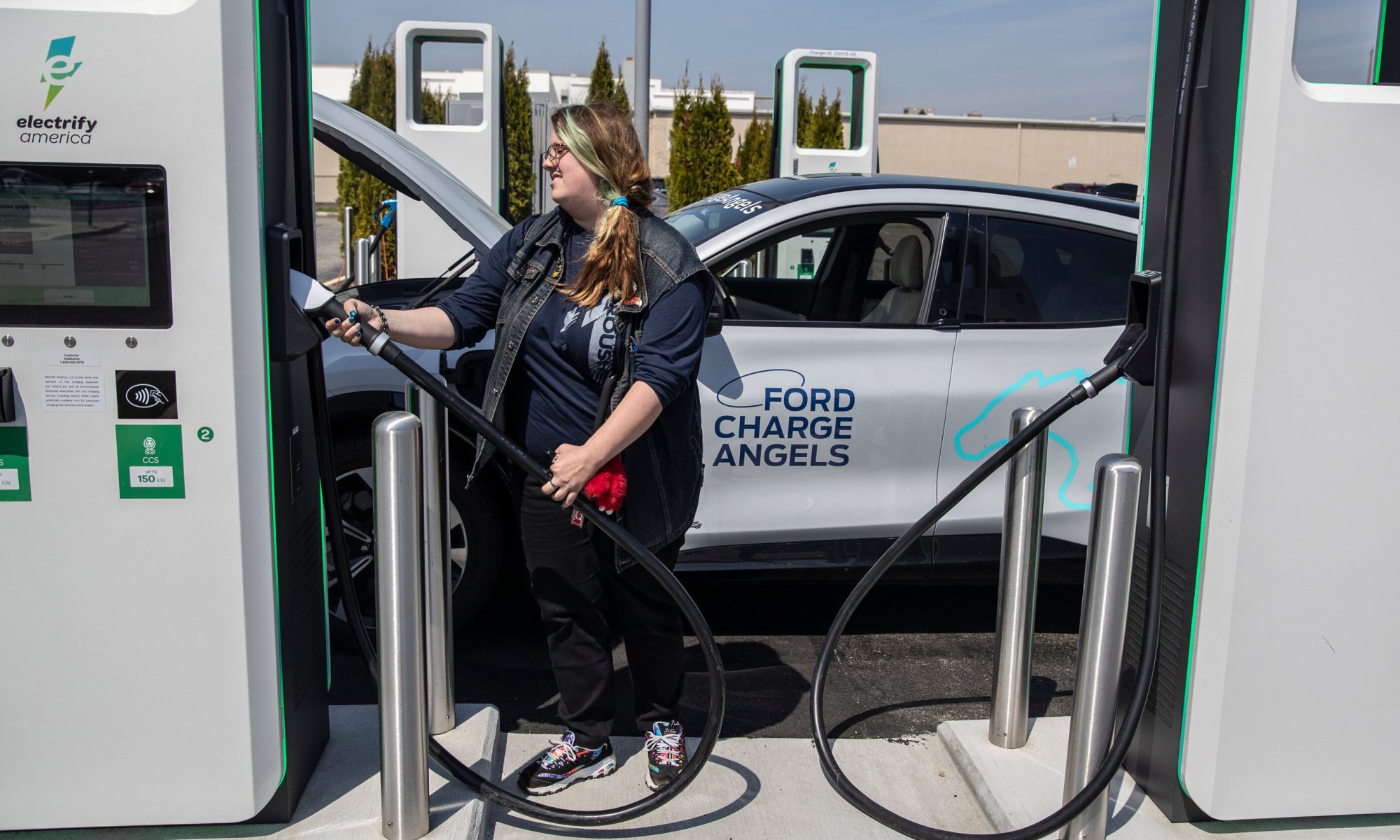
Owners of battery-powered cars sometimes struggle to refuel on longer trips because public chargers don’t work or malfunction while cars are plugged in.
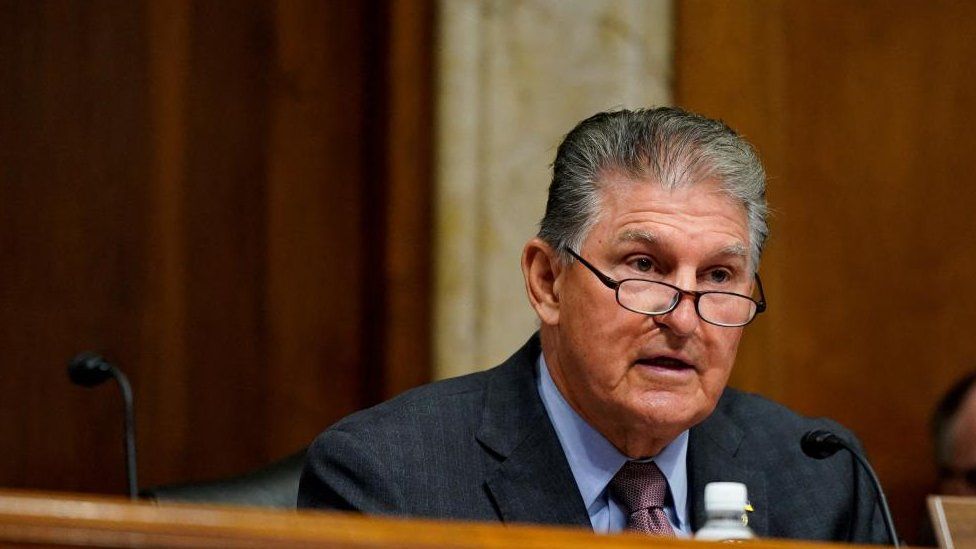
Along the way to the $369 billion package, the West Virginia senator secured an array of concessions for his state and for the fossil fuel industry.
The Senate’s proposal aims to accelerate electric car sales and promote domestic battery manufacturing at China’s expense.
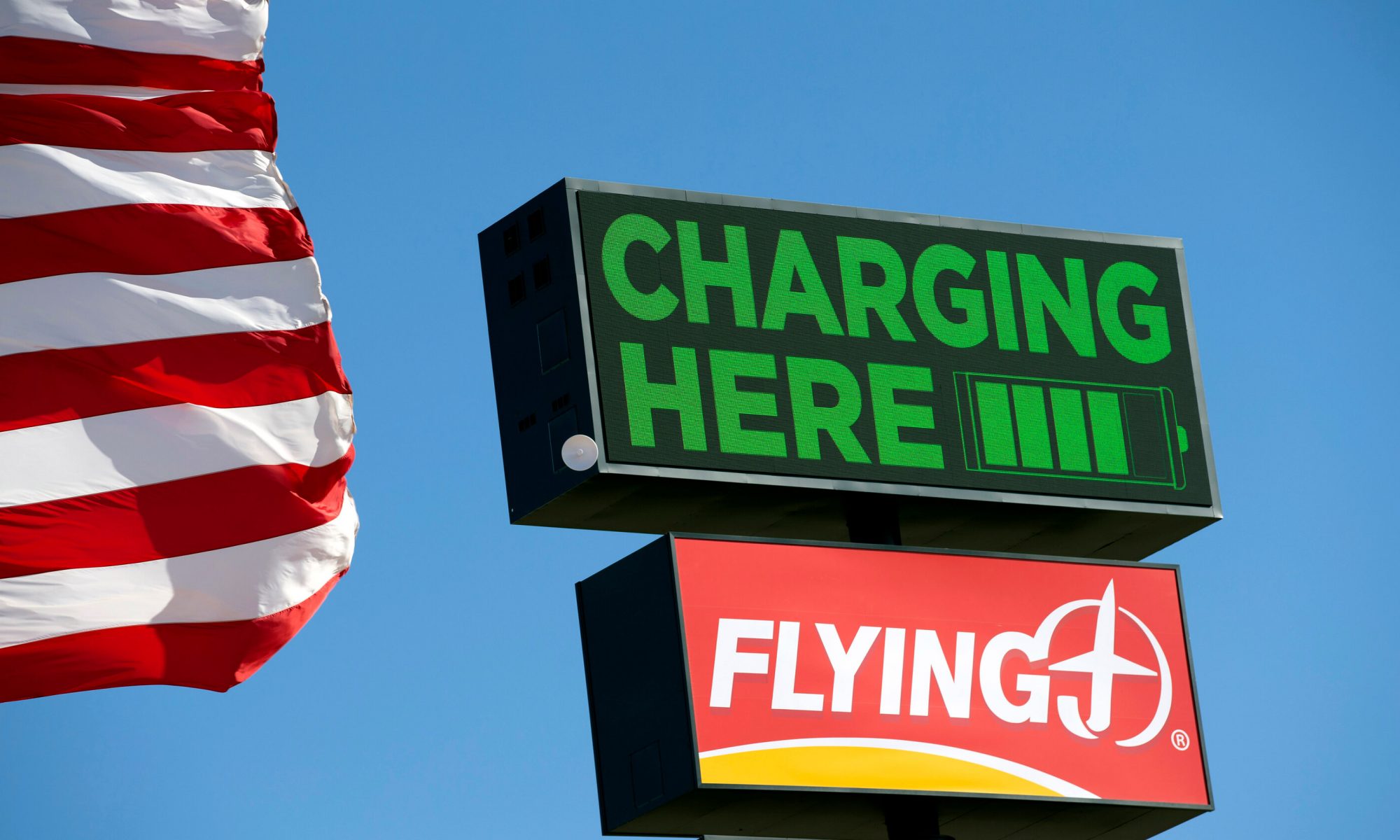
Proposed regulations would require charging stations built with federal dollars to be located no more than 50 miles apart.
Prices at the pump have apparently given some Americans second thoughts. But two practical problems remain: not enough cars and relatively few charging stations.
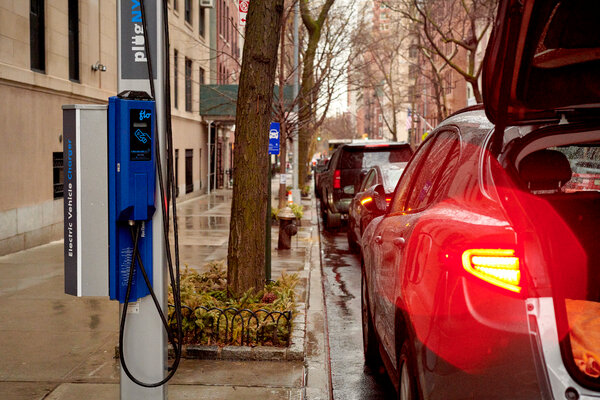
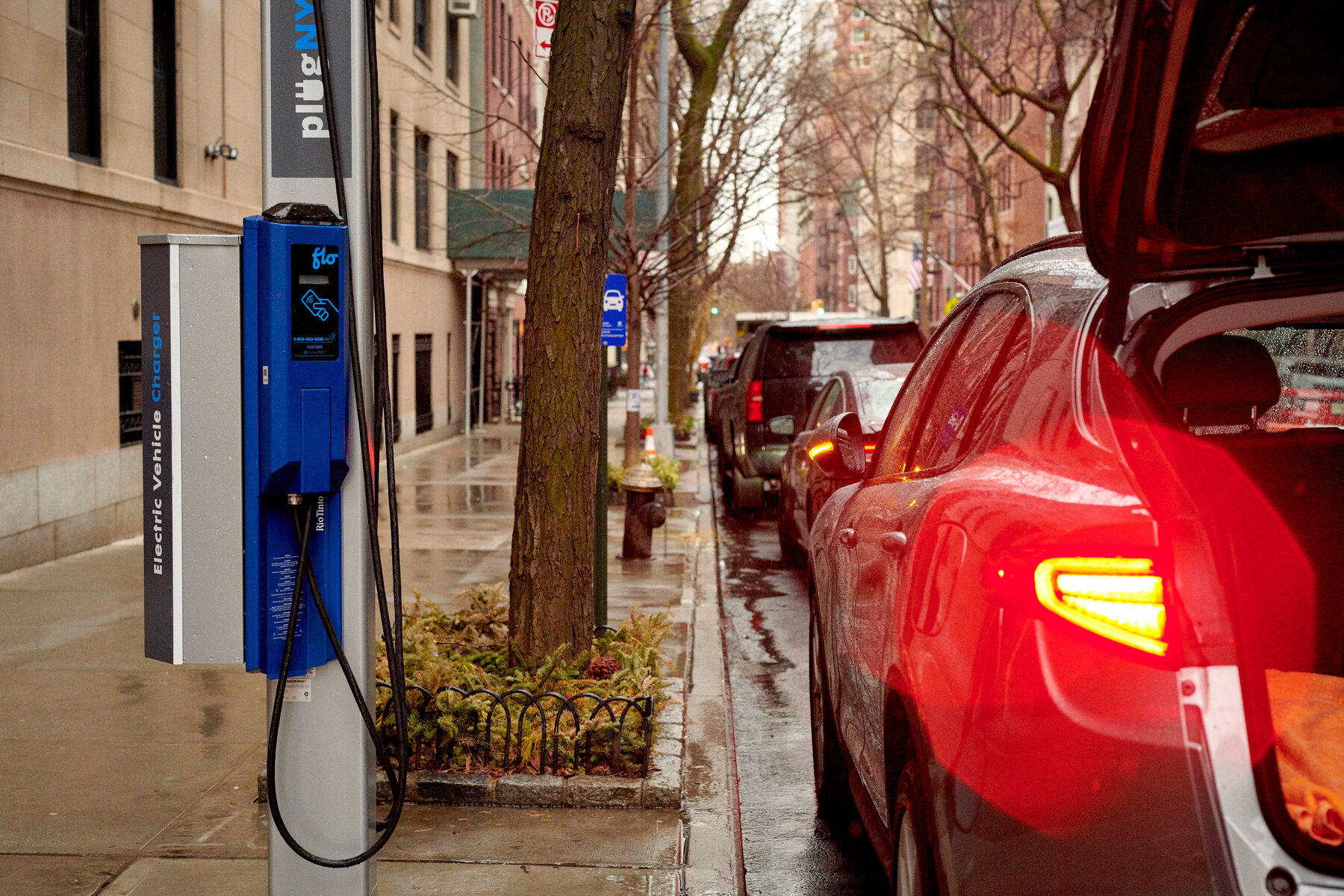
New York lags far behind most cities in electric-vehicle infrastructure, but changes are coming.
New York lags far behind most cities in electric-vehicle infrastructure, but changes are coming.
A wireless infrastructure company is betting it can figure out how to locate and install charging stations for a growing wave of new vehicles.
But challenges await, including technical issues, regulatory barriers and many miles of highway.
The bill, which President Biden is expected to sign Monday, is likely to fund road and bridge repairs, water infrastructure upgrades and airport expansions.
The plan finally approved on Friday will address transportation, water, broadband, energy and public safety needs that have been building for years, sometimes decades.
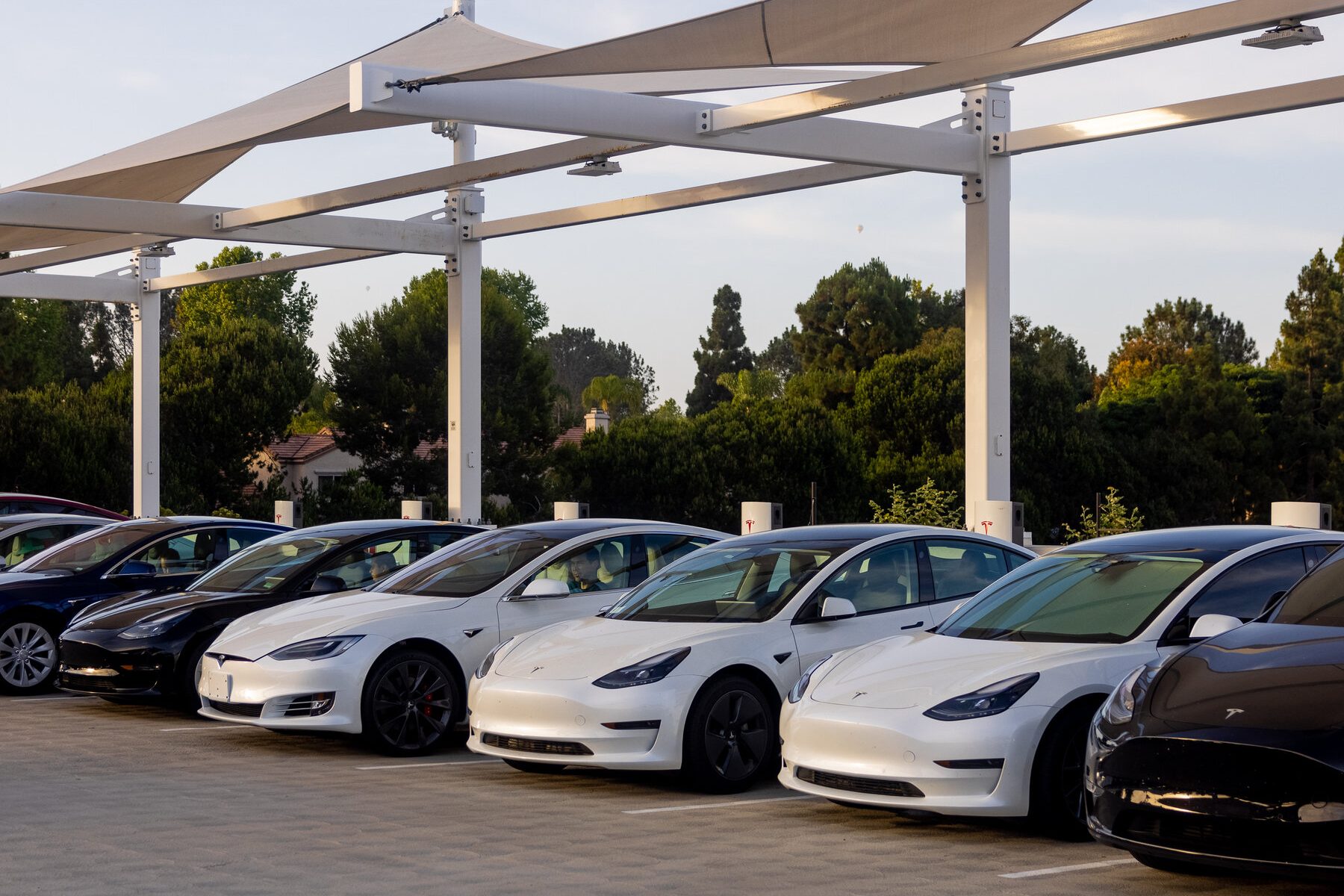
The United States has about 100,000 public chargers, far fewer than Europe and China. It needs 10 times as many, auto experts say, to complete the switch from combustion engine vehicles.
An electrified highway is theoretically the most efficient way to eliminate truck emissions. But the political obstacles are daunting.