The company made $10 billion in profit for 2021, a 55 percent increase from 2020.
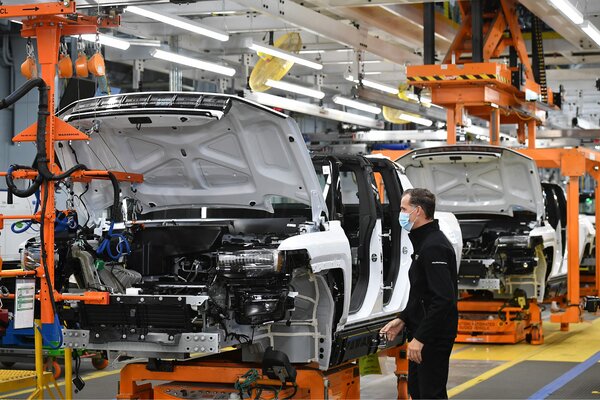
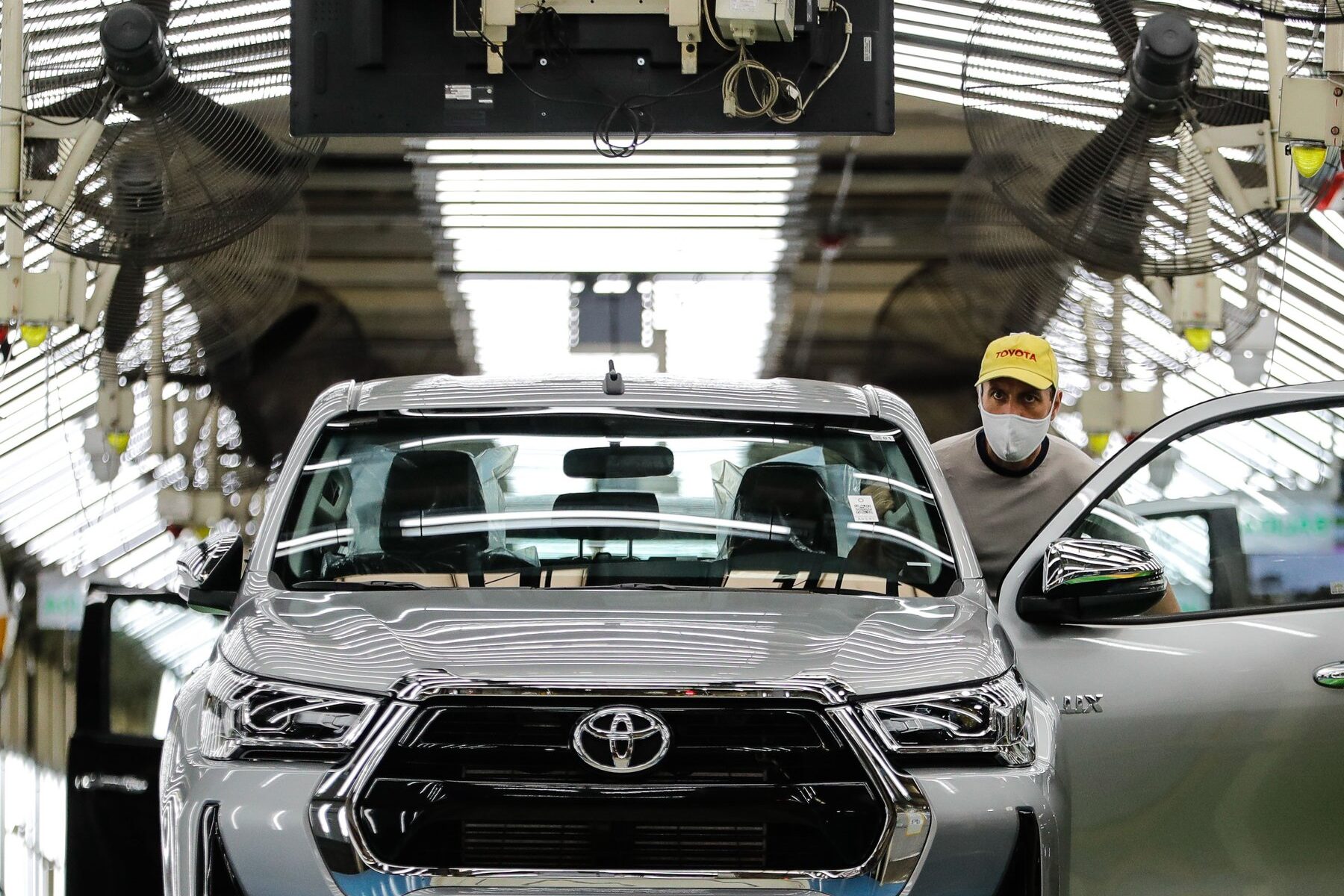
The automaker will build a battery plant and overhaul an existing factory to produce electric pickup trucks, creating 4,000 jobs.
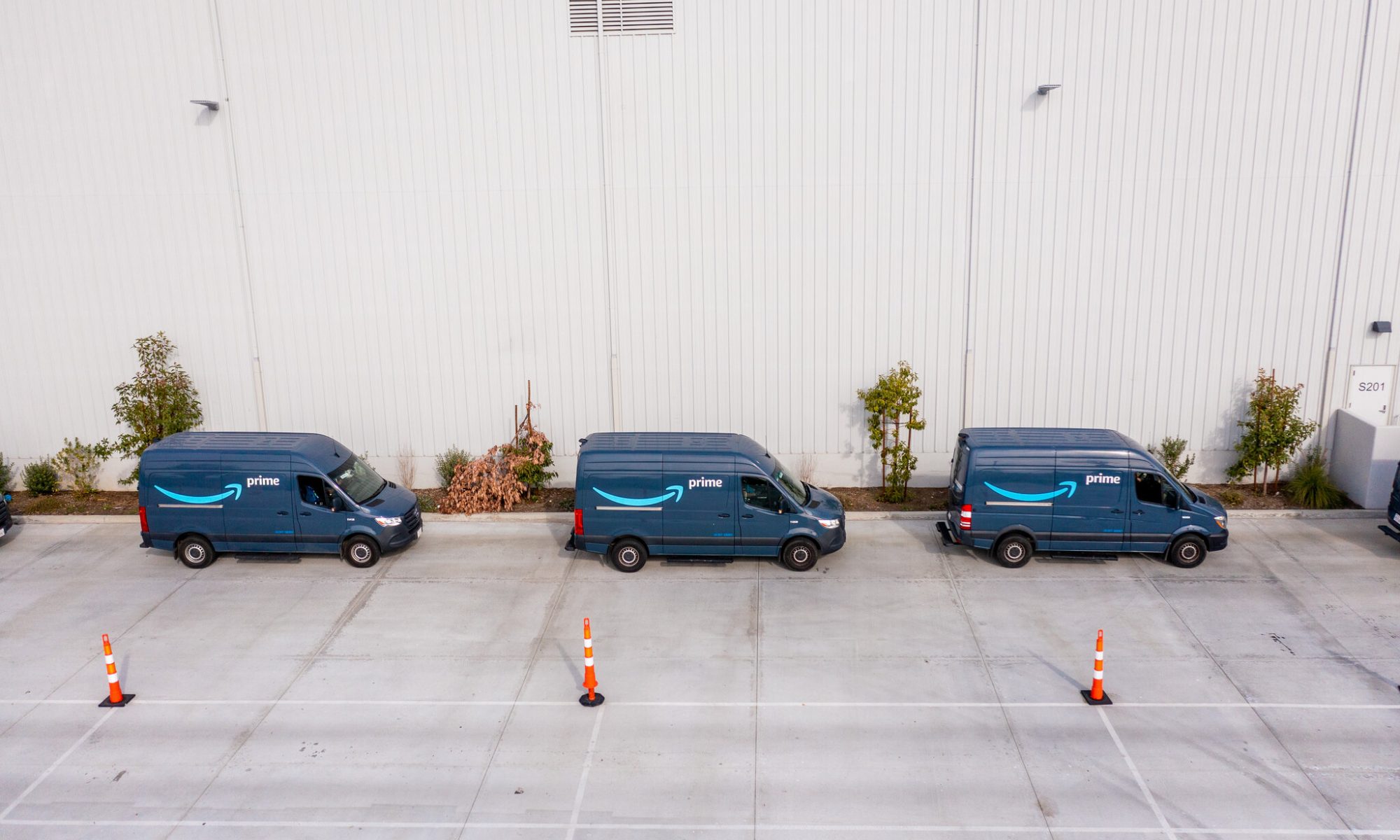
The company has big plans to turn its delivery fleet green. But very few of the vehicles are made right now.
La enorme disparidad entre los resultados de la empresa de autos eléctricos y los de reconocidos fabricantes de carros el año pasado refleja el cambio tecnológico que sacude al sector.
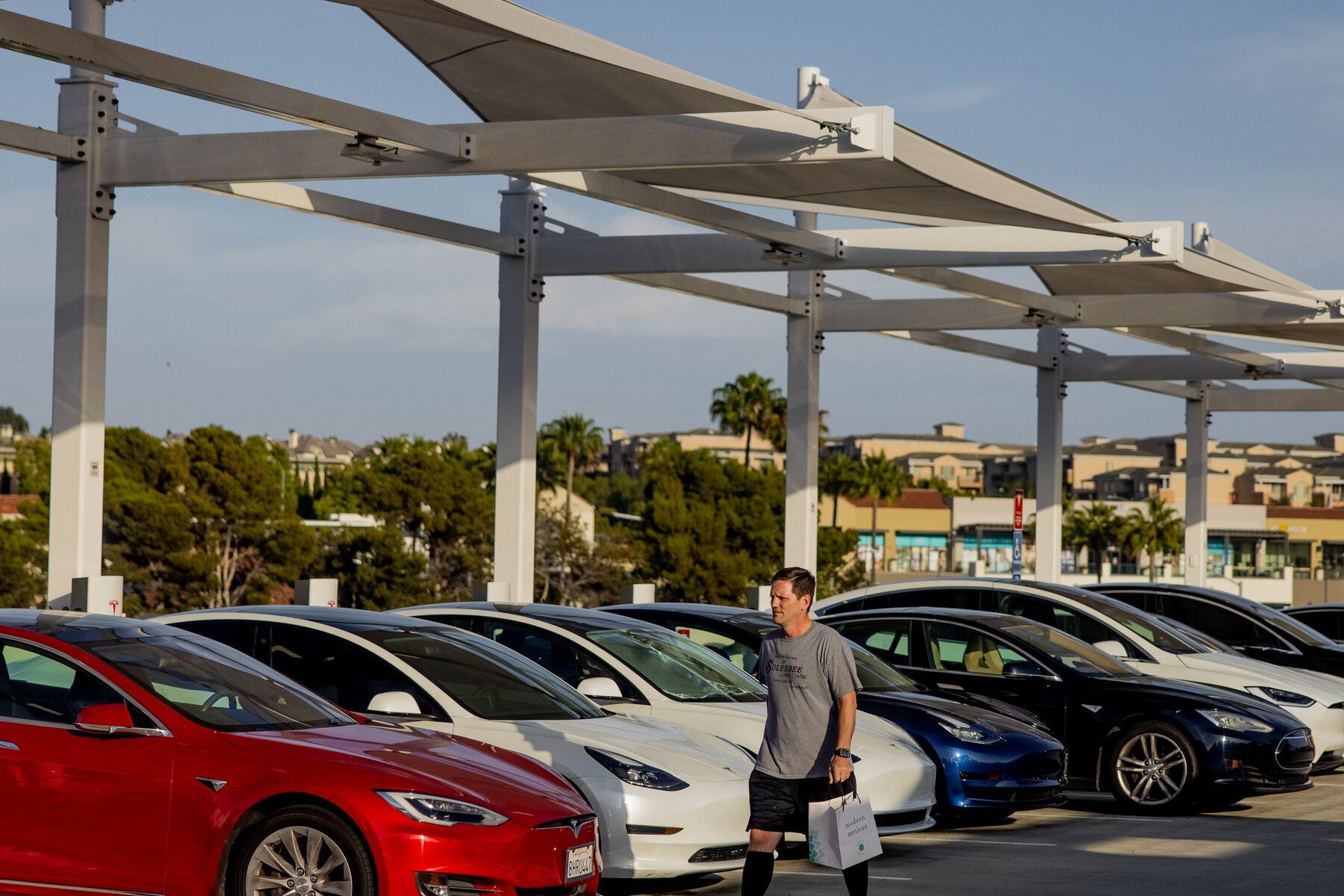
The yawning disparity between the performance of the electric car company and established automakers last year reflects the technological change roiling the industry.
After struggling to produce cars because of a global computer chip shortage, automakers are trying to move quickly to making electric vehicles.
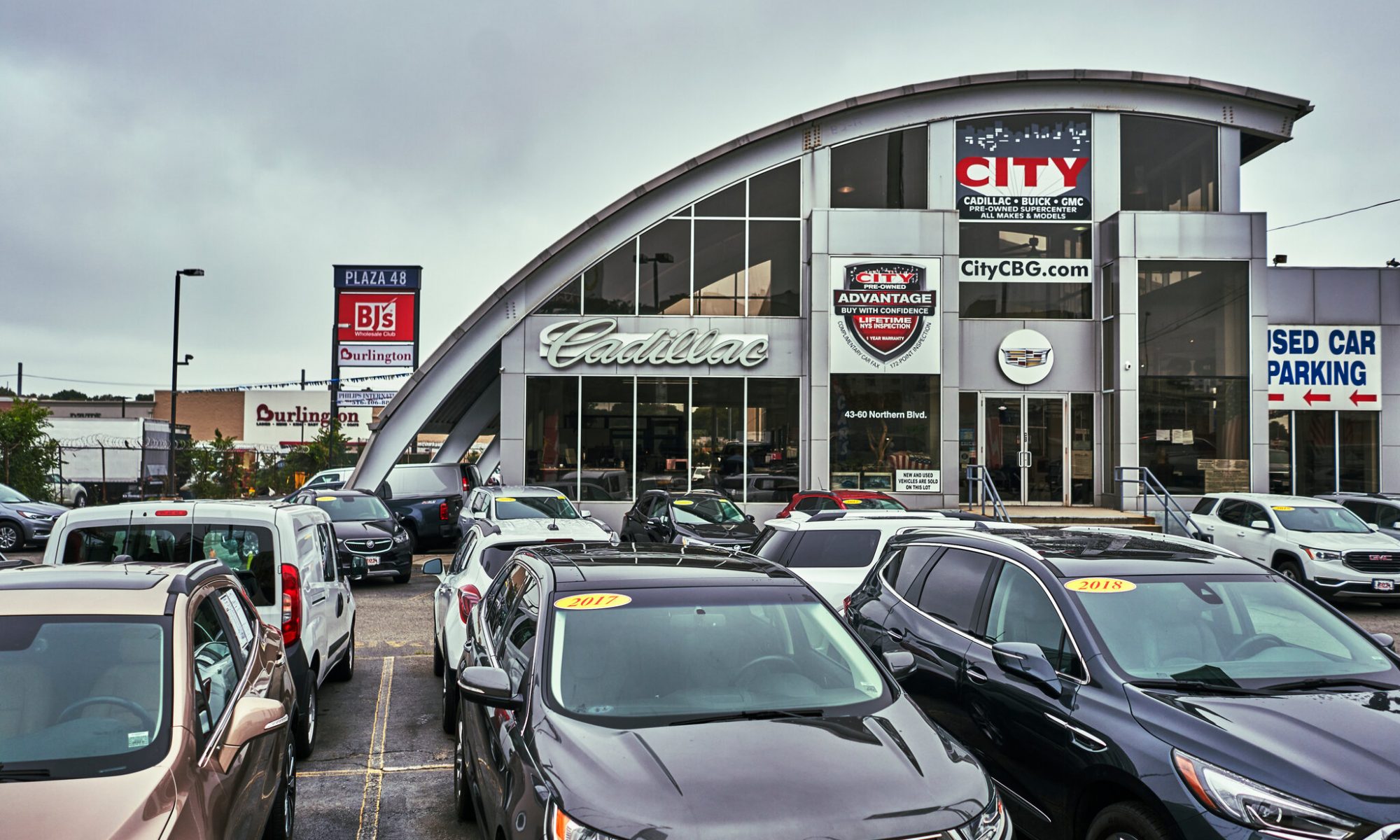
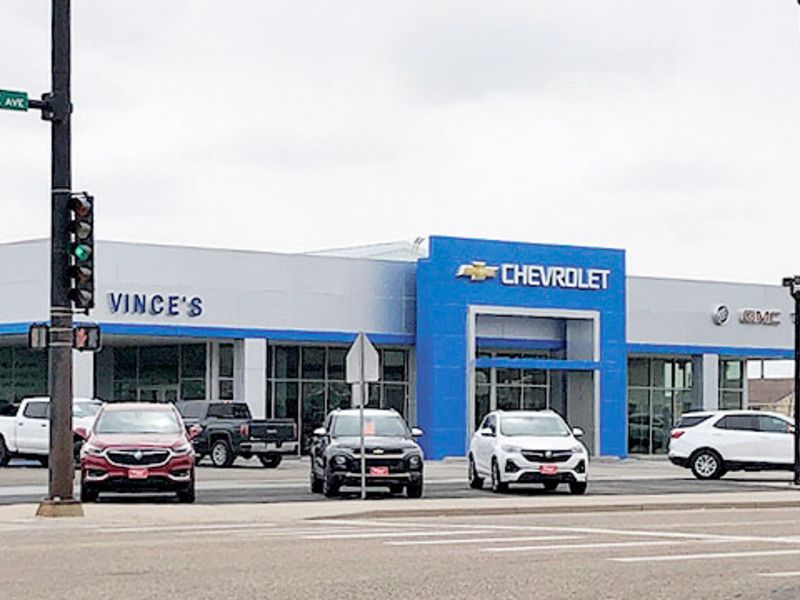
The limited supply of new and used vehicles is forcing some Americans to go to great lengths to find and buy them, including traveling to dealers hundreds of miles away.
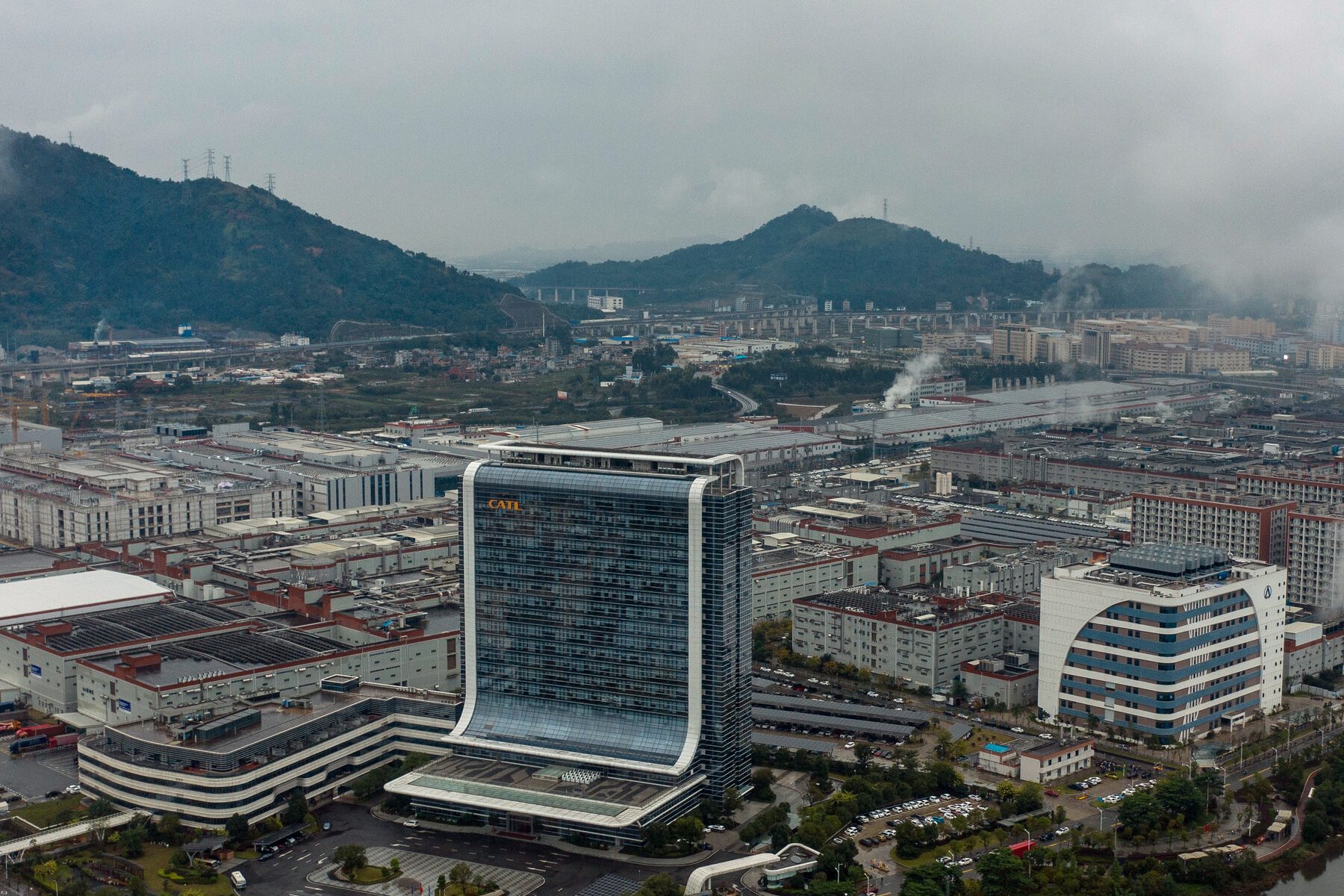
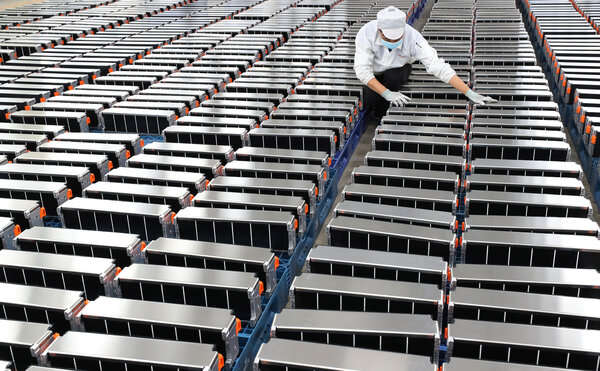
Beijing gave CATL lavish subsidies, a captive market of buyers and soft regulatory treatment, helping it to control a crucial technology of the future.
The company’s Lexus brand will only sell electric cars by 2030 in China, Europe and the United States.
The company will make electric pickups at an existing plant and batteries at a factory built with a partner, a person with knowledge of the plan said.
Its battery supply chain runs through China, and that’s not changing any time soon.
Amid a shortage of new cars, many buyers have been forced to kick the tires of overlooked models and brands.
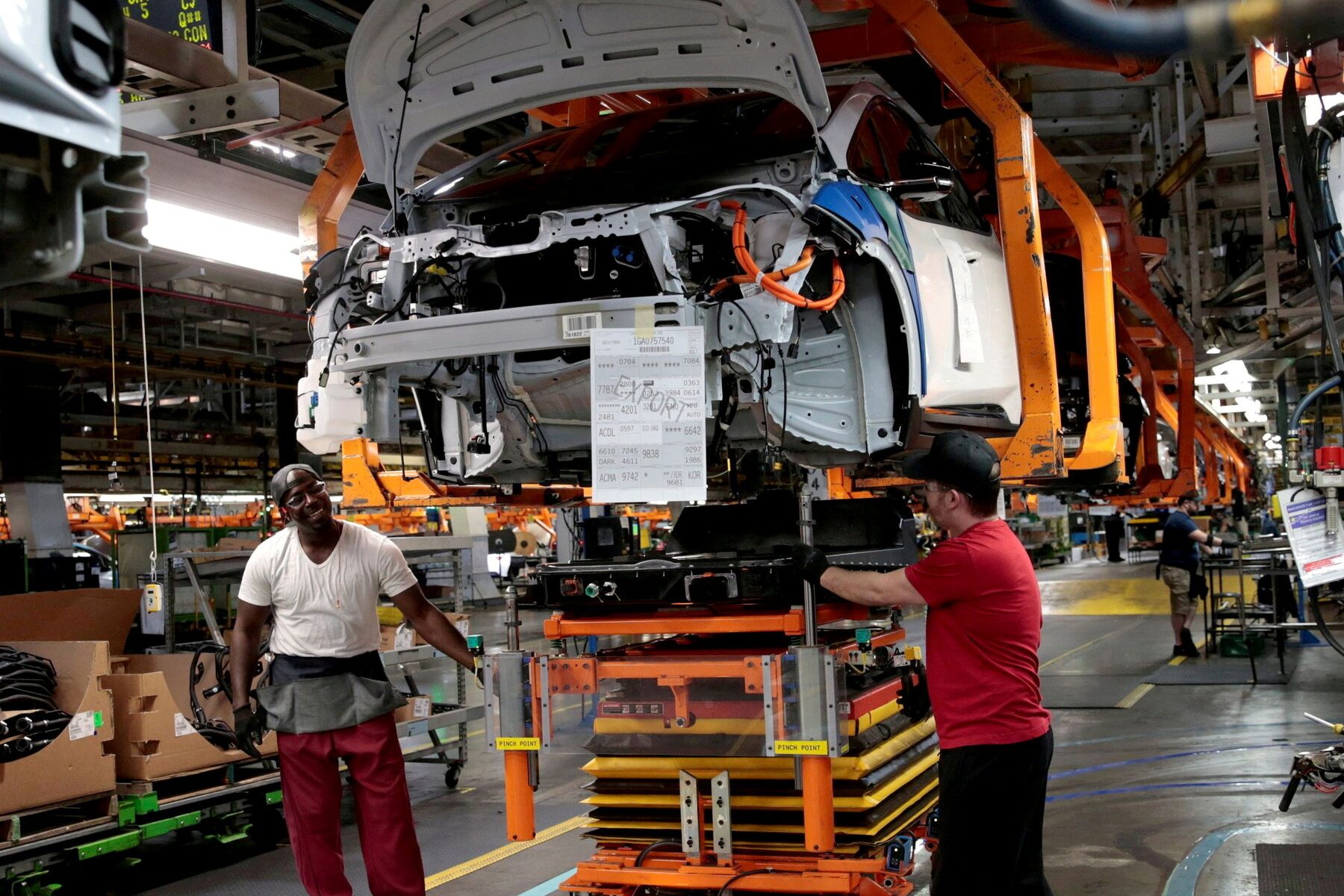
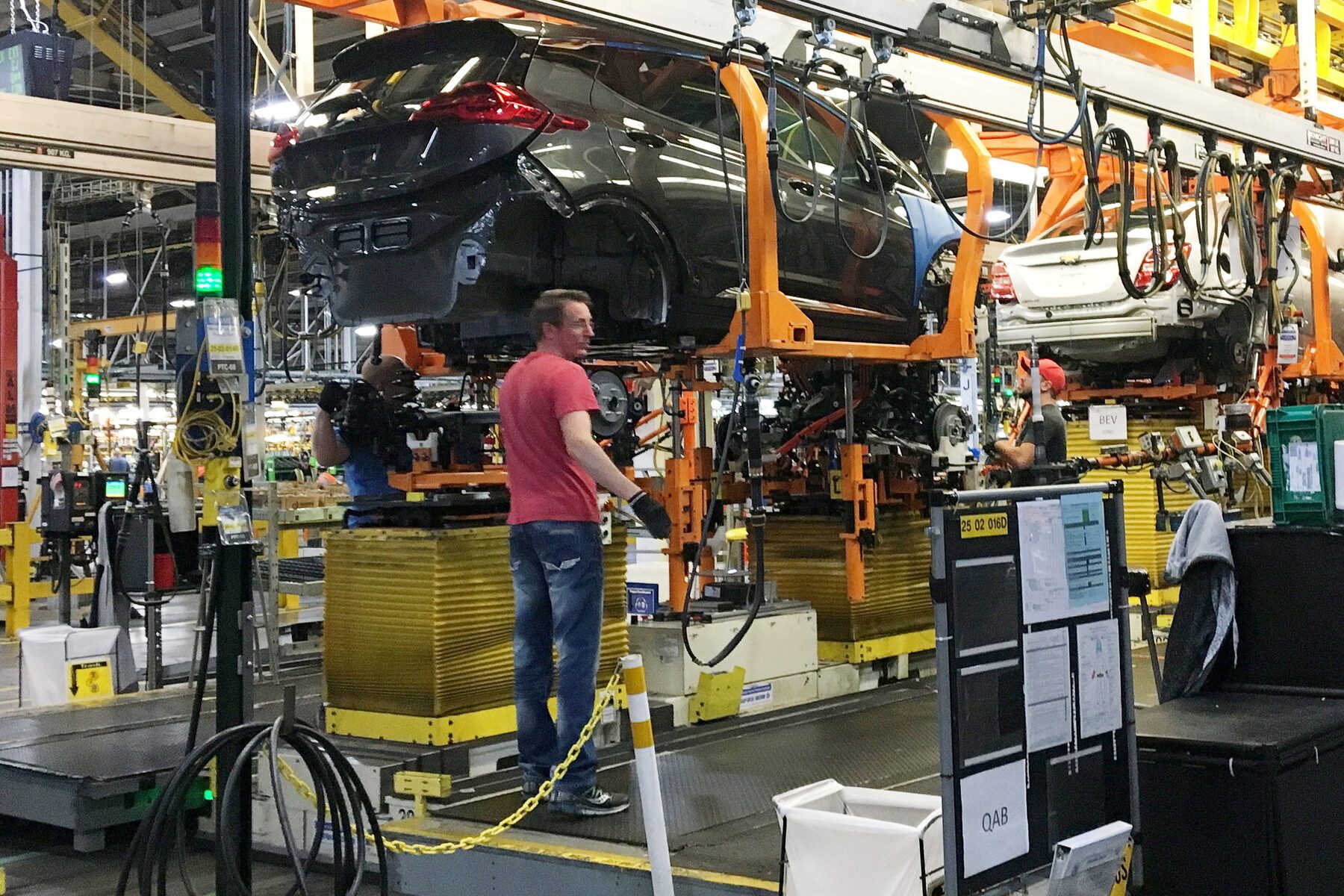
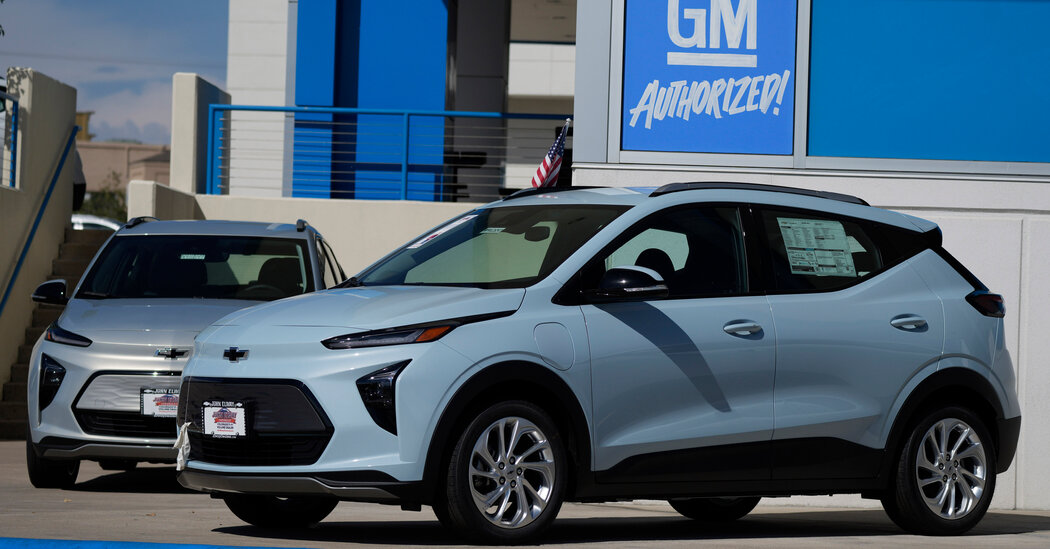
General Motors has recalled 141,000 Bolts to replace battery packs that can catch on fire because of manufacturing defects.
G.M. hopes to develop ride-hailing services that use autonomous cars, create insurance products and expand its defense contracting work.
The National Highway Traffic Safety Administration said battery fires in Tesla’s electric vehicles when no crash was involved were “rare events.”
The electric-car maker has weathered the global shortage of semiconductors better than more established rivals.
Vehicle makers shy away from traditional materials that are hard to recycle, like leather and plastics, and look to repurpose alternatives that still convey quality.
The recall now covers 2017-2022 models. The latest move, to add three more model years, will increase costs by $1 billion.
President Biden has made conversion to E.V.s a pillar of climate policy. But government incentives mostly help affluent buyers, not average families.
A push to increase sales of electric vehicles favors companies that already have all-electric cars on the market and could penalize those that don’t.