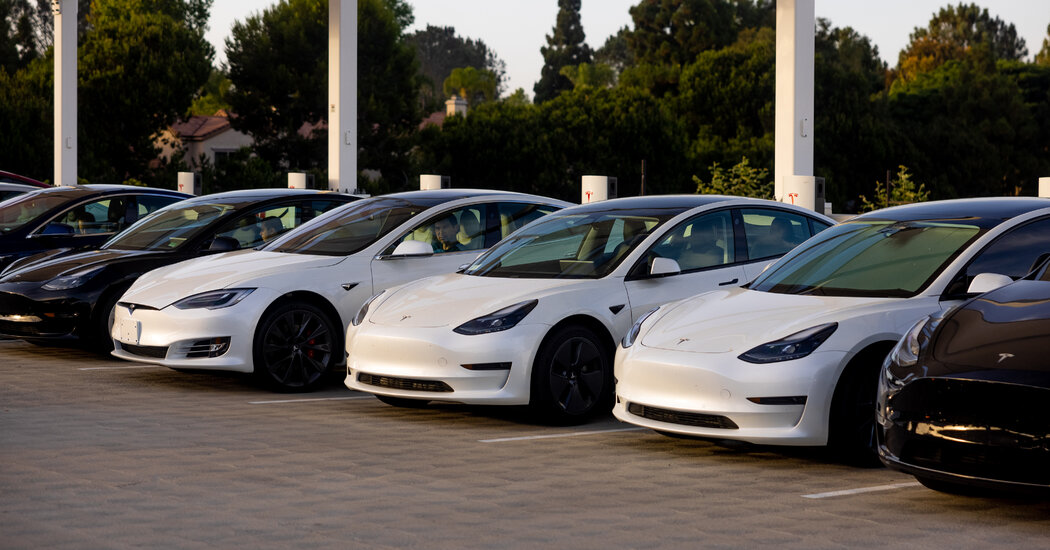
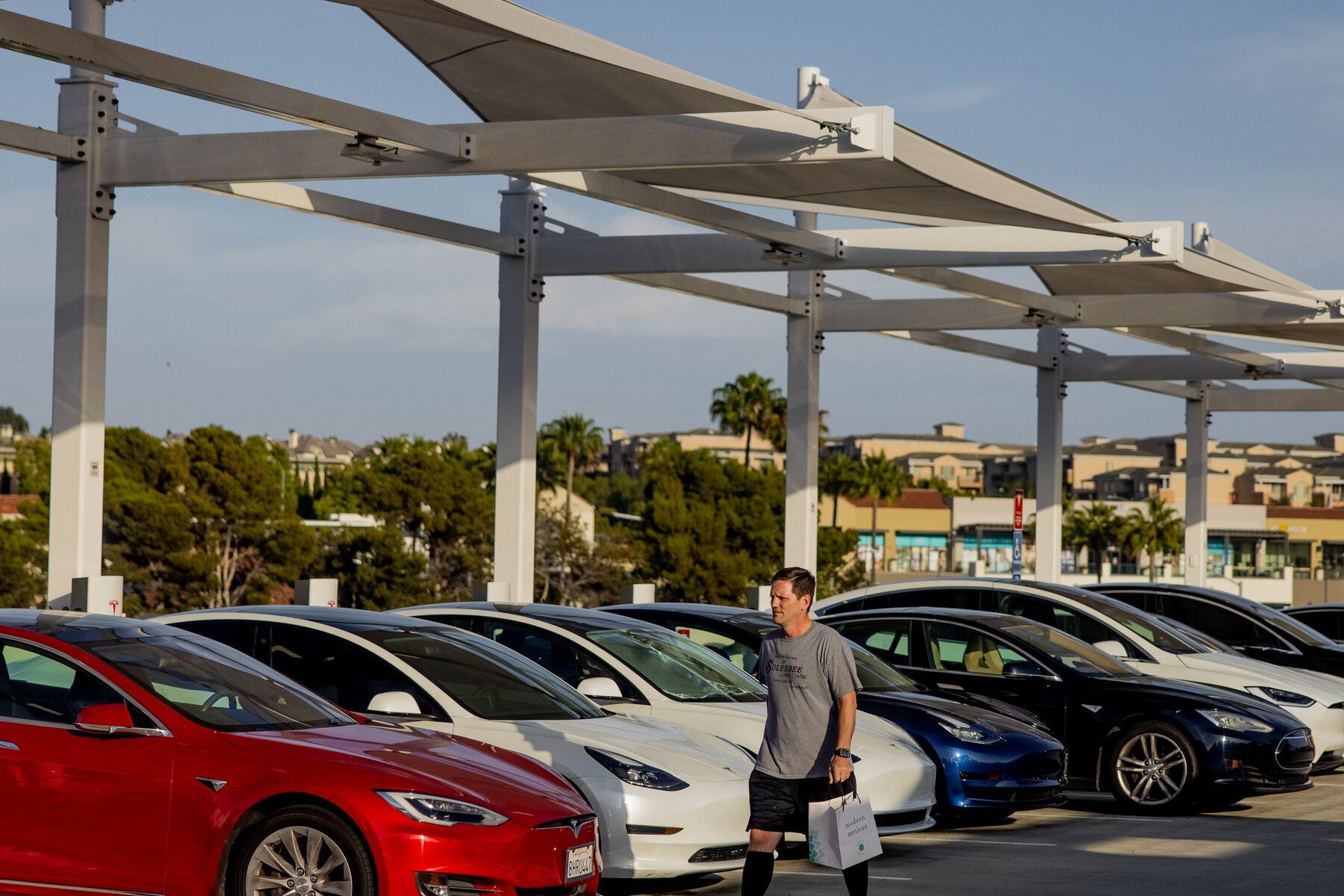
The company made $10 billion in profit for 2021, a 55 percent increase from 2020.
Tesla told the federal regulator that rolling stops were allowed only at intersections when no cars, pedestrians or bicyclists were detected but agreed to disable the feature.
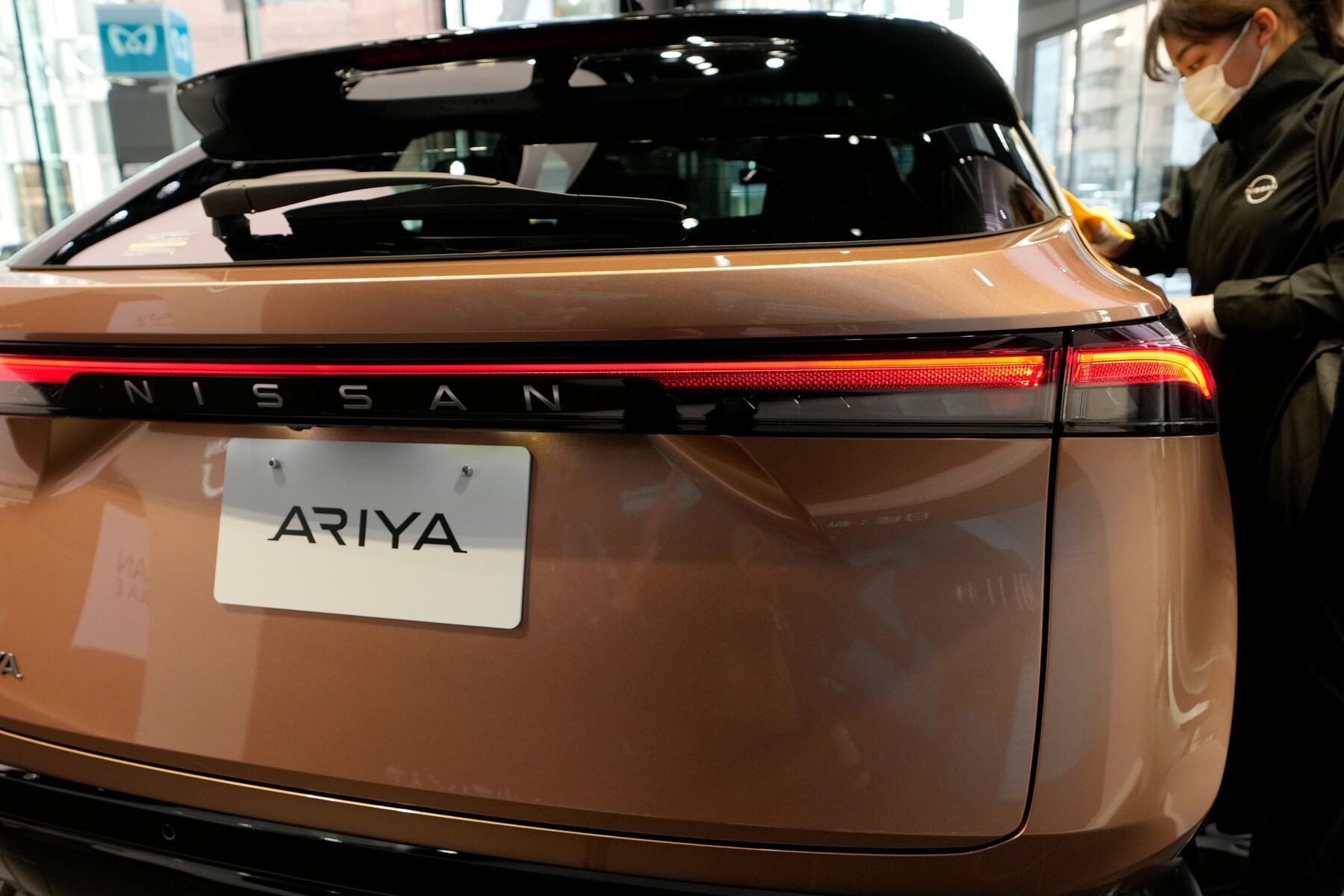
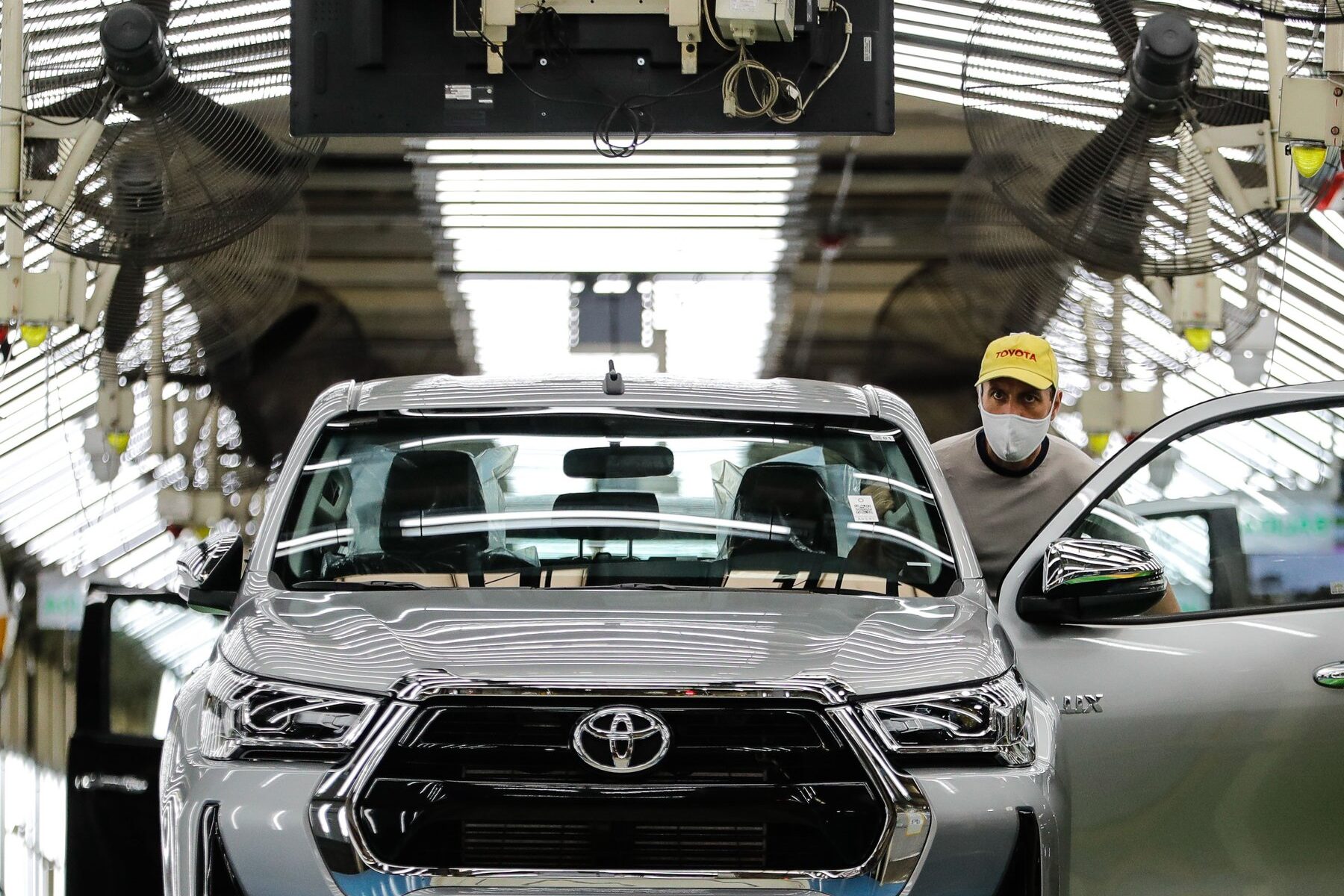
The two automakers and Mitsubishi plan to strengthen their alliance by adding 35 electric models to their lineups by 2030.
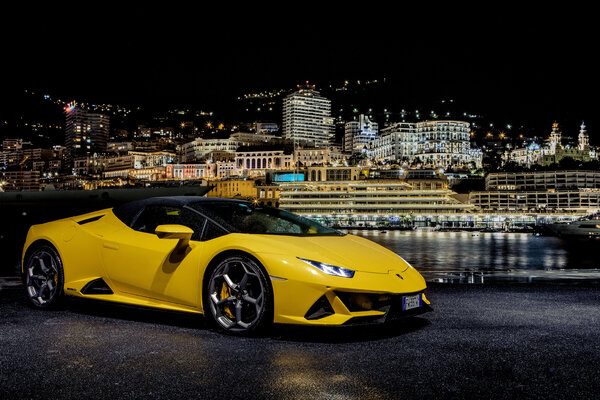
A novel navigation system, What3words, will be standard on new Huracán models. It divides the globe into 57 trillion 10-foot squares, and leads you to one.
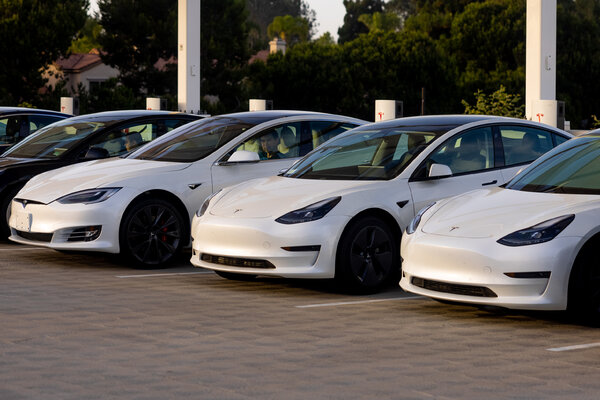
The carmaker had a profit of $5.5 billion as sales of its electric vehicles continued to surge, especially in China and Europe.
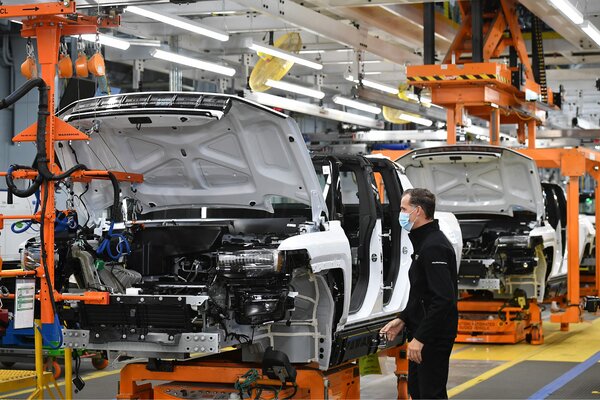
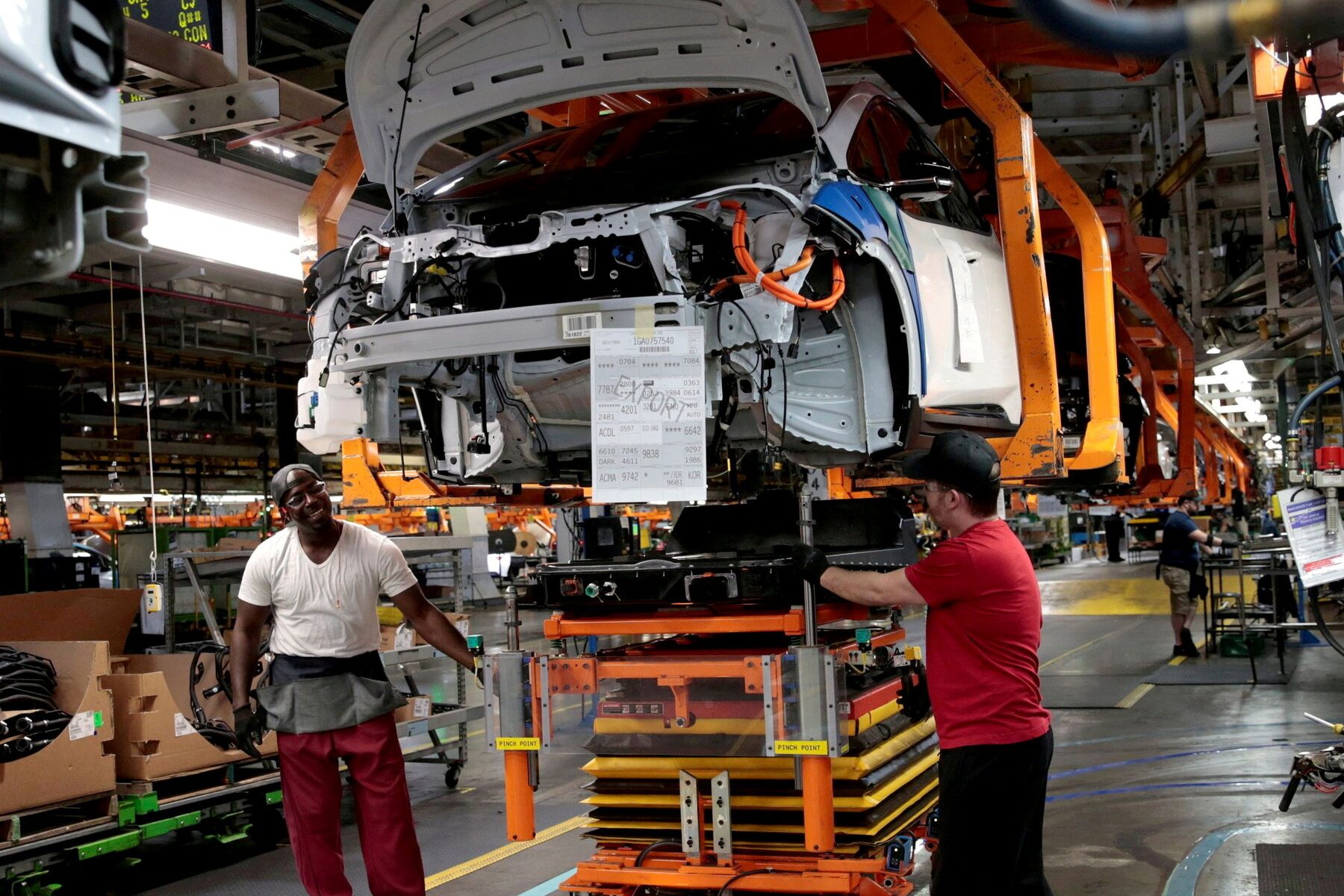
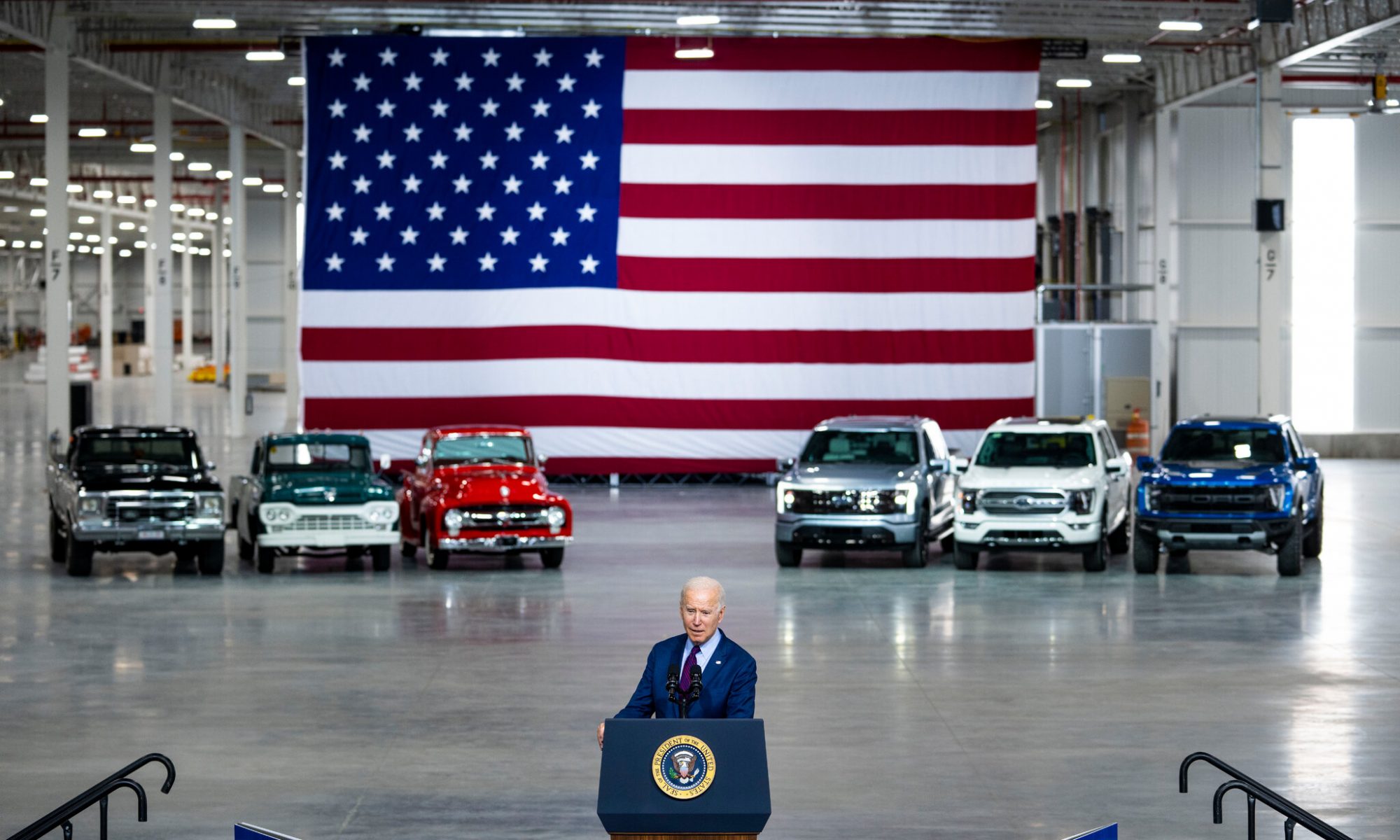
The automaker will build a battery plant and overhaul an existing factory to produce electric pickup trucks, creating 4,000 jobs.
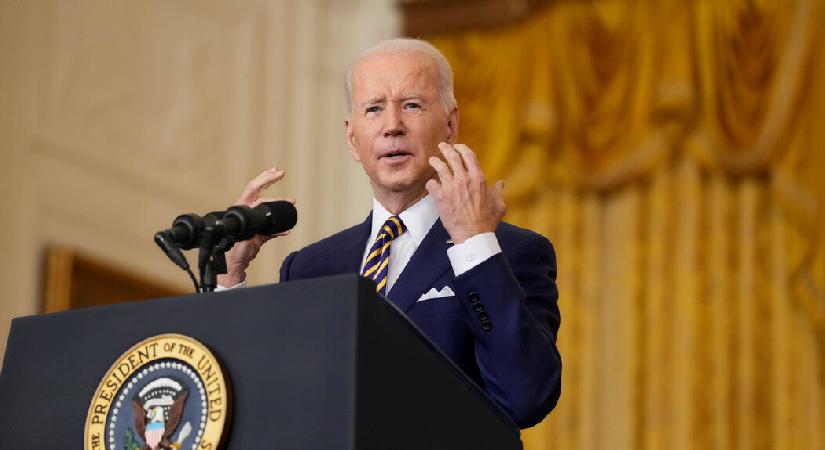
Some Democrats want to forge ahead with a stand-alone climate bill, but their solution could mean abandoning other parts of President Biden’s agenda.
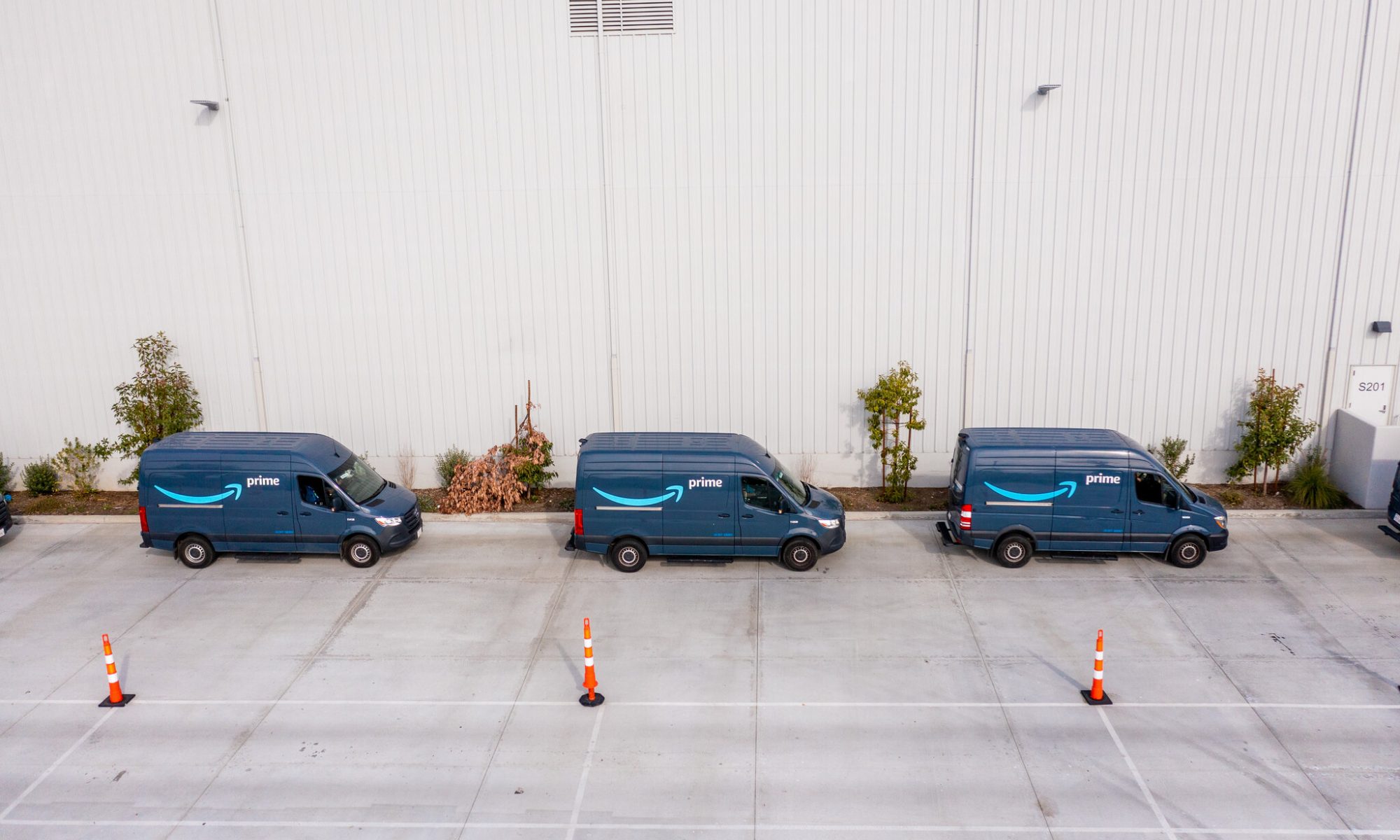
The company has big plans to turn its delivery fleet green. But very few of the vehicles are made right now.
The popularity of battery-powered cars is soaring while the overall auto market stagnates, a worldwide trend.
To meet his climate goals, the president must clean up these carbon-spewing vehicles.
The speed by which electric vehicles have taken over Norway has stunned even the cars’ enthusiasts.
La enorme disparidad entre los resultados de la empresa de autos eléctricos y los de reconocidos fabricantes de carros el año pasado refleja el cambio tecnológico que sacude al sector.
Algunas de las tendencias del año ya las conoces: el metaverso, el hogar inteligente y los autos eléctricos. ¿Qué valdrá la pena comprar y qué no? Como cada año, echamos un vistazo al futuro.
Algunas de las tendencias del año ya las conoces: el metaverso, el hogar inteligente y los autos eléctricos. ¿Qué valdrá la pena comprar y qué no? Como cada año, echamos un vistazo al futuro.
The yawning disparity between the performance of the electric car company and established automakers last year reflects the technological change roiling the industry.
Here we go again: Virtual reality, now dubbed ‘the metaverse,’ will be a thing. So will the smart home.
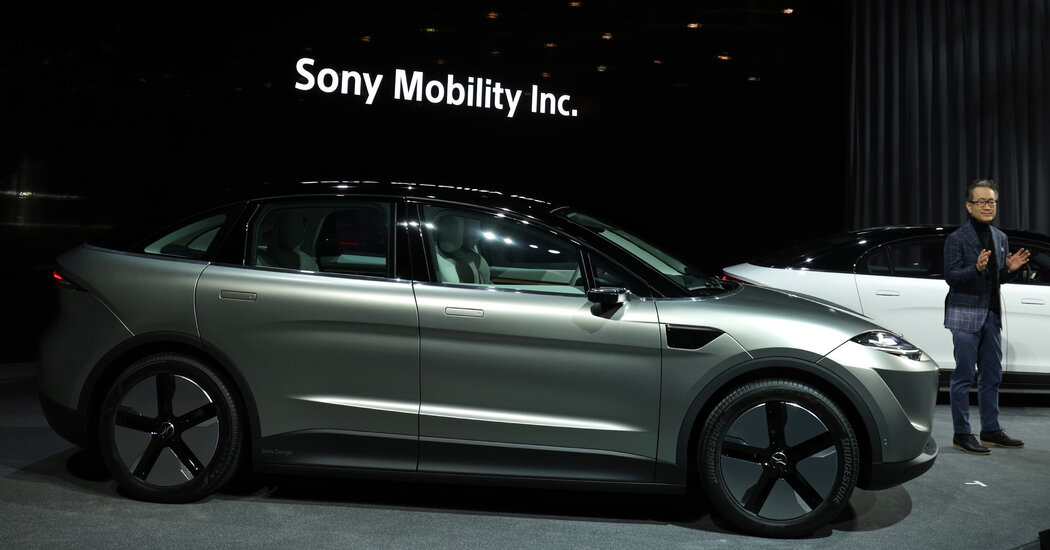
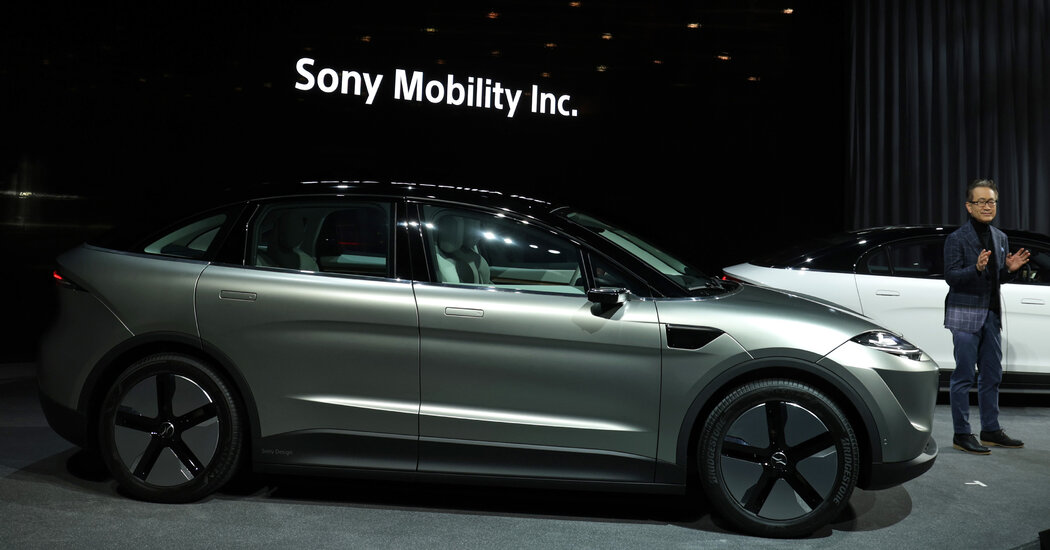
Japan’s electronics giant introduced a new version of a prototype S.U.V. that runs on batteries.
Japan’s electronics giant introduced a new version of a prototype S.U.V. that runs on batteries.
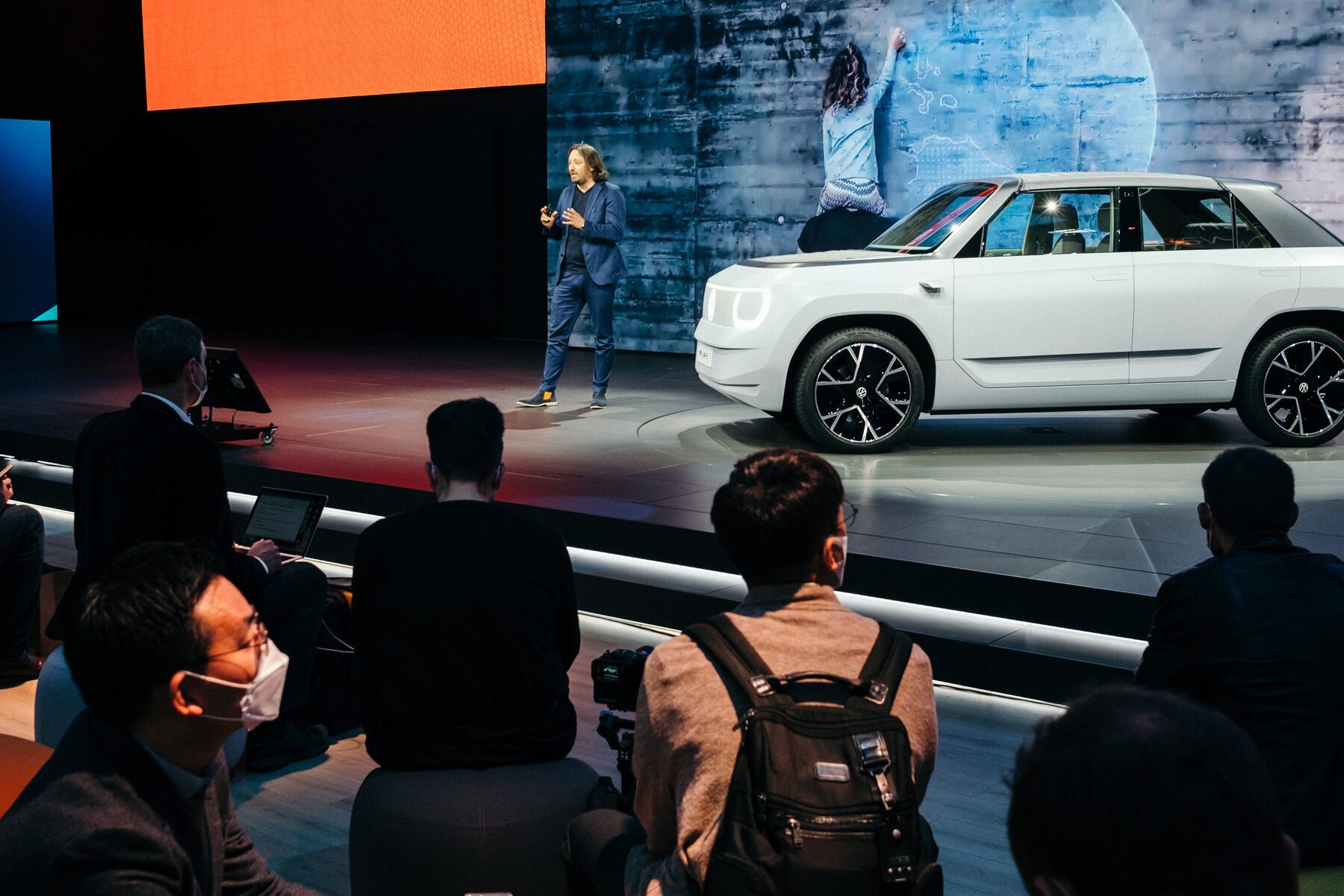
After struggling to produce cars because of a global computer chip shortage, automakers are trying to move quickly to making electric vehicles.
Senator Marco Rubio criticized the electric carmaker for opening the outlet in a region where China has been accused of targeting Muslims.